
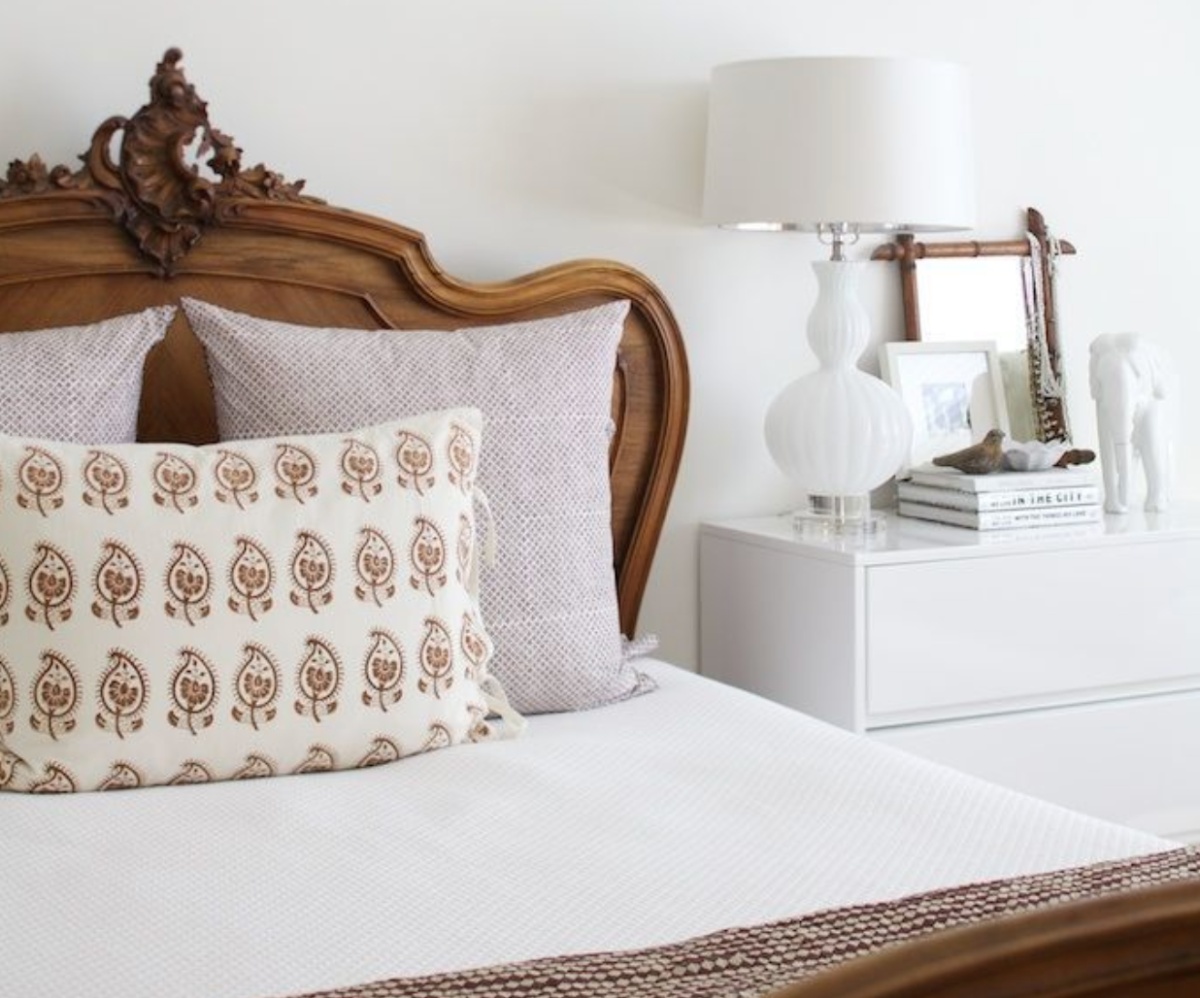
There’s a growing trend reshaping contemporary interiors: blending antiques—especially French pieces—with modern minimalist design. Homeowners are rediscovering how the craftsmanship, elegance, and patina of French-style furniture bring warmth, character, and timeless sophistication into even the most pared-back spaces.
In design circles, the art of mixing eras—particularly French antiques with clean, contemporary interiors—is more celebrated than ever.
It’s a combination that brings soul to simplicity, romance to restraint, and timeless craftsmanship to the quiet elegance of minimalist living.
But as more homeowners opt for the curves of a Louis XV chair or a decorative gilded mirror to soften their modern edges, obvious questions arise. How do you add heritage without heaviness? Character without clutter?
“Rawness and refinement are not opposite ends of a luxurious spectrum. They are two complementary features with which to populate a luxe environment.” -Kelly Wearstler
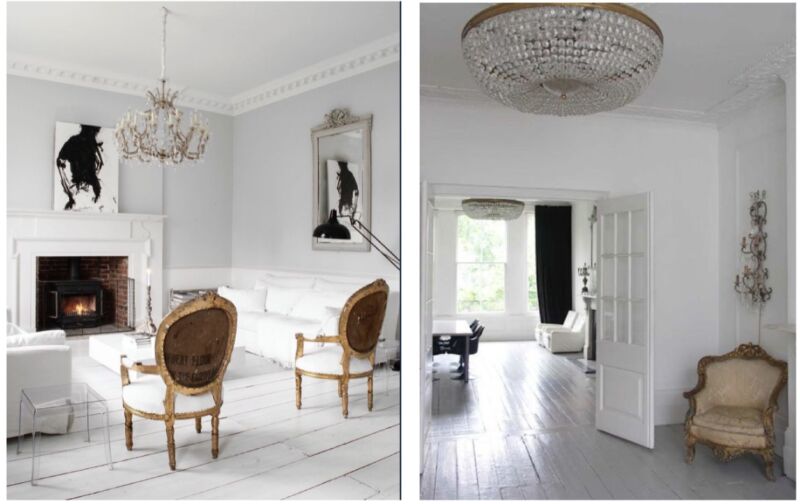
If you’re eager to fuse French charm with contemporary clarity, here are the top questions style-conscious homeowners ask—with design-forward answers.
#1 Will French antiques clutter my minimalist aesthetic?
Surprisingly, no. Minimalism isn’t about owning nothing—it’s about owning the right things.
French pieces, with their sculptural silhouettes and artisanal touches, become striking focal points in a pared-back environment.
For an introductory overview of the ornate minimalism design trend, read this blog.
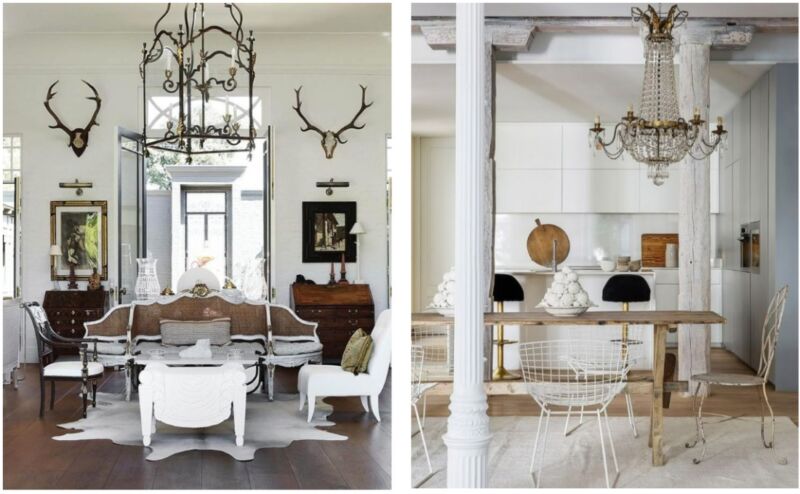
Place one standout piece — a curvy fauteuil, a rustic French farm table, or a gilded trumeau mirror — and let it breathe. The surrounding simplicity turns the antique into art.
#2 How do I maintain a modern look when French pieces tend to be ornate?
Balance is the secret when incorporating decorative details into contemporary spaces.
French Rococo curves and carved florals pair beautifully with the calm, disciplined lines of contemporary design.
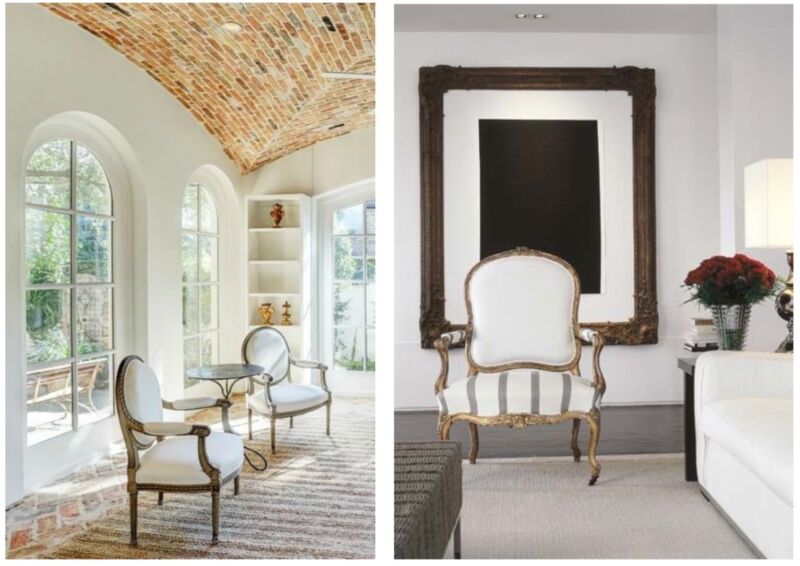
Let your antique shine against clean architecture or streamlined furniture. A Louis XVI side table beside a modern sofa is wildly chic when the rest of the space stays intentional.
Juxtaposition is powerful. The deliberate pairing of a raw, bleached French antique table with modern, minimalist chairs, or a sleek, contemporary sofa with an ornate French chandelier, creates an unusual but satisfying visual interest.
#3 What colour palette works best with French antiques in a minimalist setting?
Neutrals reign. Soft whites, muted creams, cool greys, gentle taupes, and chalky pastels help antiques harmonise with contemporary surroundings. These tones highlight patina and aged finishes without overwhelming the space.
For understated drama, pair a gilt mirror with charcoal walls – it’s moody, modern, and undeniably French.
#4 Can I mix different French styles?
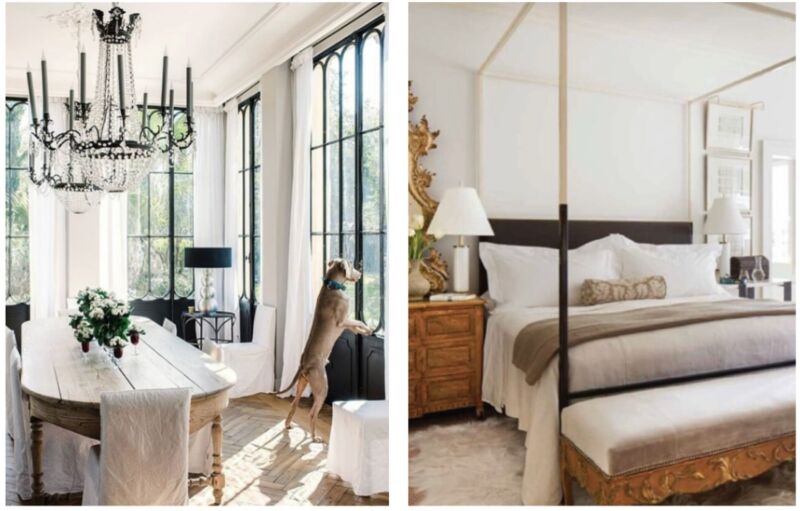
Absolutely – if they share a visual thread. Designers often unify pieces through colour, wood tone, scale, or upholstery.
The romance of Louis XV sits beautifully beside the structure of Louis XVI when finishes complement each other, while French Provincial adds rustic authenticity almost anywhere.
This blog provides a straightforward breakdown of three popular French decor styles.
#5 How can I style antiques without over-accessorising?
Think editorial, not crowded.
Let each piece become a ‘moment’—a single candlestick on a sleek console or a blue-and-white jug on a minimalist shelf.
In a contemporary interior, restraint honours the craftsmanship of antiques.
#6 Will antiques look out of place in an open-plan home?
Not at all. French antiques can define zones within an open-plan layout:
– A Provincial table anchors a dining area
– A tall armoire adds height
– A gilded mirror grounds an expansive wall
Consider proportion and choose pieces that match the room’s scale.
#7 Are French antiques practical for everyday living?
Yes. Many French pieces were built to survive centuries of use.
Oak armoires, Rococo beds, chaise lounges, farmhouse tables, and ladder-back chairs were made for family life, not museum display.
For more delicate pieces, such as fauteuil chairs, use them in accent roles—beautiful and functional, but not subjected to the daily wear of lounge seating.
#8 How do I blend French antiques with modern art and lighting?
With enthusiasm. The interplay is where the magic happens.
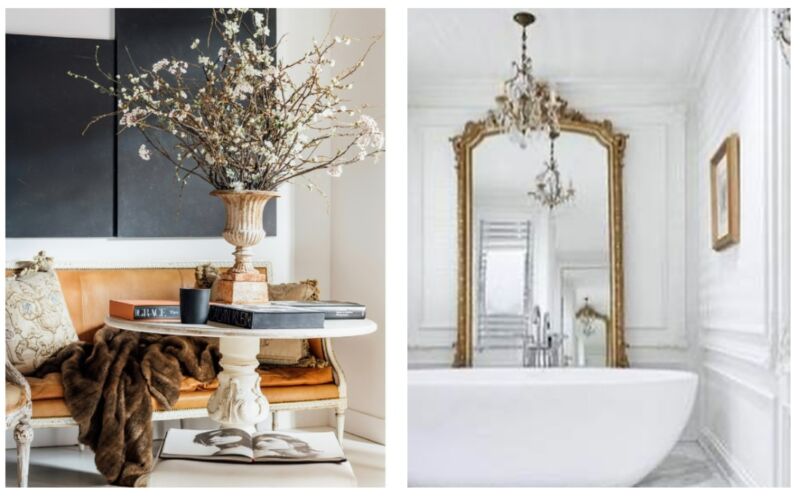
A bold contemporary painting above a Louis XV chest creates a dynamic, gallery-like vignette.
A minimalist pendant light over a rustic farm table keeps the look grounded and fresh. Modern lighting, in particular, does wonders to keep antiques from feeling dated.
#9 Which French accessories work best in a minimalist home?
Curated pieces with authenticity and soul—never theme-heavy décor.
A few suggestions for a successful design start:
- Gilded antique wall mirrors
- Brass or crystal sconces
- Aged confit pots
- Wrought-iron candlesticks
- Natural French linens
Each brings history without overwhelming the calm.
#10 How do I make sure French antiques don’t look “stuffy”?
Lighten them up.
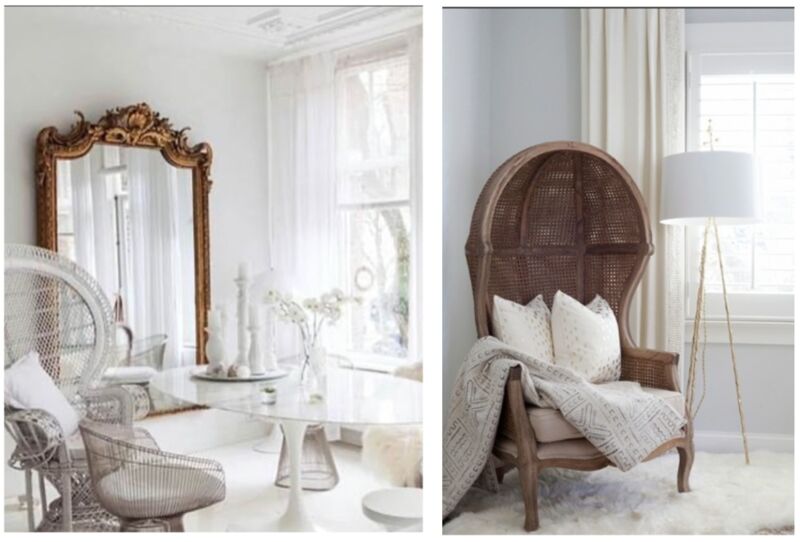
Reupholster a Louis XVI chair in stone-coloured linen, pair a gilt mirror with natural jute, or place an ornate side table next to an ultra-modern sofa. Contrast creates freshness. When styled with simplicity, even the most elaborate French antique feels unexpectedly cool.
#11 Should I restore or keep the patina?
Patina is priceless. Restore only if the structure is compromised. Otherwise, cherish every mark—aged finishes bring depth that brand-new pieces cannot.
#12 How many French antiques can a minimalist home handle?
Far fewer than you think—and that’s the beauty.
Think of antiques as anchors:
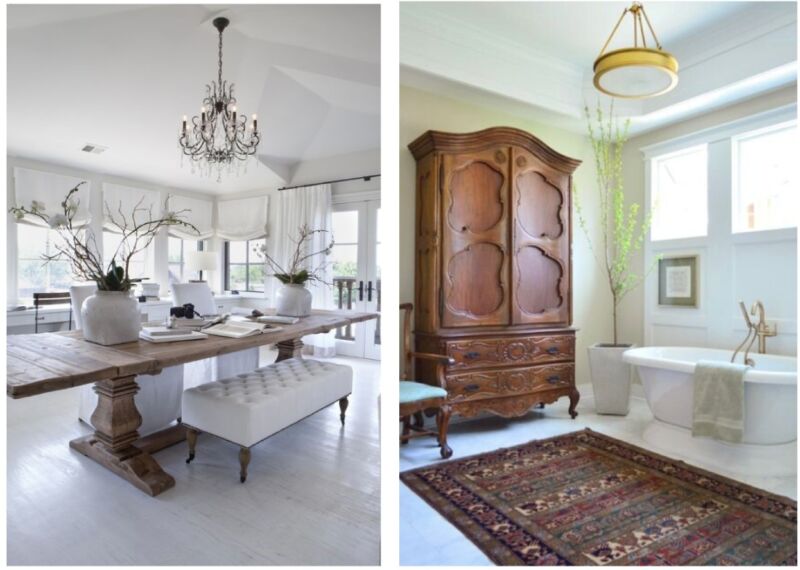
- A small apartment: 1–2 statement pieces
- A medium home: 2–4 thoughtfully placed pieces throughout
- A large home: up to 5–6, each with room to shine
Minimalism isn’t about scarcity—it’s about intentionality.
Incorporating French antiques into a modern home isn’t about recreating a French Chateau or a Parisian pied-à-terre — it’s about layering a historical narrative with restraint and elegance. When thoughtfully placed, each antique makes a minimalist space feel richer, warmer, and unmistakably personal.
 Whatsapp us now