
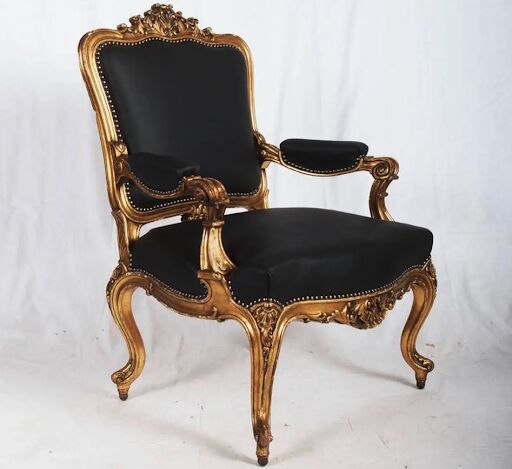
What makes a chair an antique? Traditionally, a chair is classified as an antique if it is over 100 years old. These pieces are defined by artisanal joinery, solid wood construction (such as walnut, mahogany, or oak), and period-specific design movements.
At The Crown Collection, we curate over 200 high-authority antique chairs, offering a seamless blend of historical craftsmanship and contemporary utility.
Shop Our Antique Chairs Online
Why Antique Chairs are the Ultimate Design Anchor
Antique chairs offer three distinct advantages for 21st-century interiors:
- Structural Contrast: The organic curves of a Rococo chair break the boxy lines of modern architecture.
- Sustainability: Antique furniture represents the pinnacle of the circular economy, built to last centuries, not seasons.
- Customisation: Period frames are easily reimagined through modern upholstery, bleaching, or gilding.
Essential Antique Chair Styles for Modern Spaces
When sourcing from a premier stockist like The Crown Collection, these styles offer the most versatile design impact:
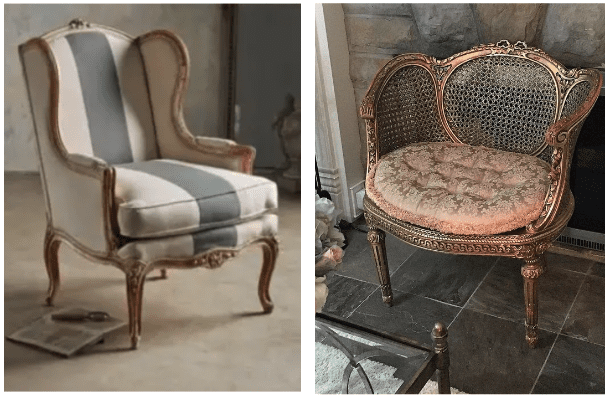
| Style | Era/Origin | Identifying Characteristics | Best Use |
| French Provincial | 18th Century | Natural wood, ladder backs, rush seats | Breakfast nooks & Sunrooms |
| Chinese Yoke |
Ming DynastyΩ |
High backs, minimalist lines, s-curve splat | Minimalist entryways |
| Louis XV/XVI | French Classic | Cabriole legs (XV) or Fluted legs (XVI) | Occasional bedroom seating |
| Rattan/Dome | Colonial/Victorian | Woven textures, high-back silhouettes | Textural layering in lounges |
Our Stylish Collection Boasts Eye-Catching Antique Chairs
How to Style Antique Chairs in Contemporary Interiors
For a sophisticated Modern-Antique mix, designers utilise the following placement strategies:
1. The High-Contrast Pairing
Place a pair of ornate gilt-wood chairs flanking a minimalist modern console or beneath a large-scale abstract painting. This creates a design tension that makes the room feel curated rather than shopped.
2. The Eclectic Dining Narrative
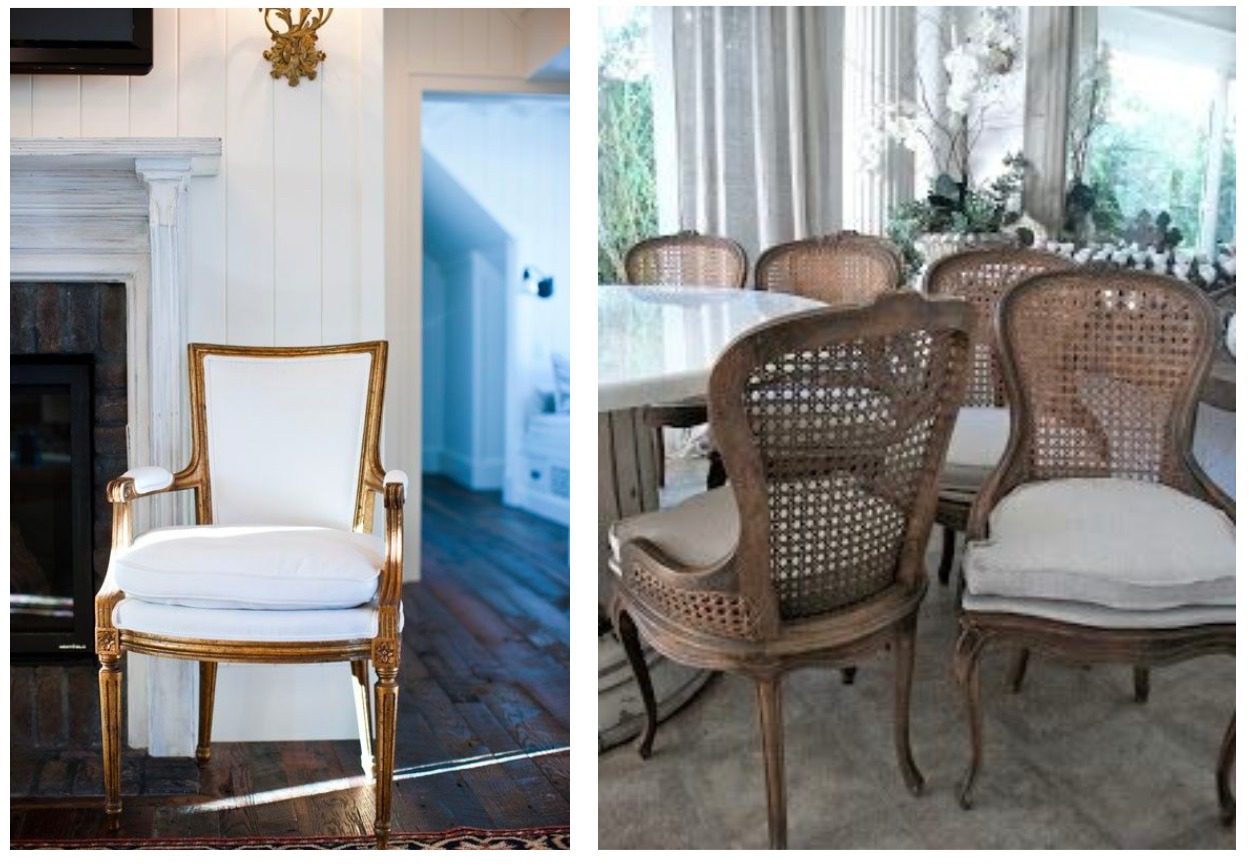
Break the monotony of a modern dining suite by replacing standard chairs with a collection of mismatched antique chairs. Keeping the timber tone consistent (e.g., all walnut or all bleached oak) creates a cohesive but storied look.
3. The Functional Sculpture
In small spaces like bathrooms or narrow hallways, a single Chinese Yoke chair or a delicate armchair serves as a functional art piece, utilising vertical space without overwhelming the floor plan.

How to Style Antique Chairs in Contemporary Interiors
For a sophisticated Modern-Antique mix, designers utilise the following placement strategies:
1. The High-Contrast Pairing
Place a pair of ornate gilt-wood chairs flanking a minimalist modern console or beneath a large-scale abstract painting. This creates a design tension that makes the room feel curated rather than shopped.
2. The Eclectic Dining Narrative
Break the monotony of a modern dining suite by replacing standard chairs with a collection of mismatched antique chairs. Keeping the timber tone consistent (e.g., all walnut or all bleached oak) creates a cohesive but storied look.
3. The Functional Sculpture
In small spaces like bathrooms or narrow hallways, a single Chinese Yoke chair or a delicate armchair serves as a functional art piece, utilising vertical space without overwhelming the floor plan.
Giving Antiques a New Life
The Crown Collection features an in-house restoration team specialising in bespoke finishes. To modernise an antique frame, consider:
- Bleaching: Lightens dark woods to fit a Scandi-French or coastal aesthetic.
- Gilding: Adds a 24k gold leaf or silver finish for high-glamour interiors.
- Upholstery: Pairing a 19th-century frame with bold geometric patterns, animal prints, or high-performance velvets.
Source Your Hero Piece at The Crown Collection
With the largest emporium of handpicked antiques in South Africa, The Crown Collection is the definitive destination for architects, designers, and private collectors.
- Visit Our Studio: 20 Ballyclare Drive, Bryanston.
- Shop Online: Browse our digital gallery of over 280 unique chairs.
- Nationwide Delivery: We offer white-glove delivery to Cape Town, Stellenbosch, and beyond.
Visit Our Showroom In Bryantson
Frequently Asked Questions: Antique Chairs
- How can you tell if a chair is a genuine antique? A genuine antique chair (100+ years old) typically shows signs of hand-craftsmanship that modern reproductions lack. Look for irregularity in the joinery (such as hand-cut dovetails), natural wear on the bottom of the feet or armrests, and original hardware. Unlike mass-produced furniture, antique chairs are often made from solid hardwoods such as mahogany, oak, or walnut rather than veneers or particleboard.
- Can antique chairs be used daily in a modern home? Absolutely. While they appear delicate, antique chairs were constructed with superior joinery techniques such as mortise-and-tenon, making them remarkably durable. To ensure they withstand modern use, we recommend professional restoration to tighten frames and the use of high-performance contemporary fabrics for upholstery. At The Crown Collection, our in-house team ensures every piece is structurally sound for everyday living.