Explore Style

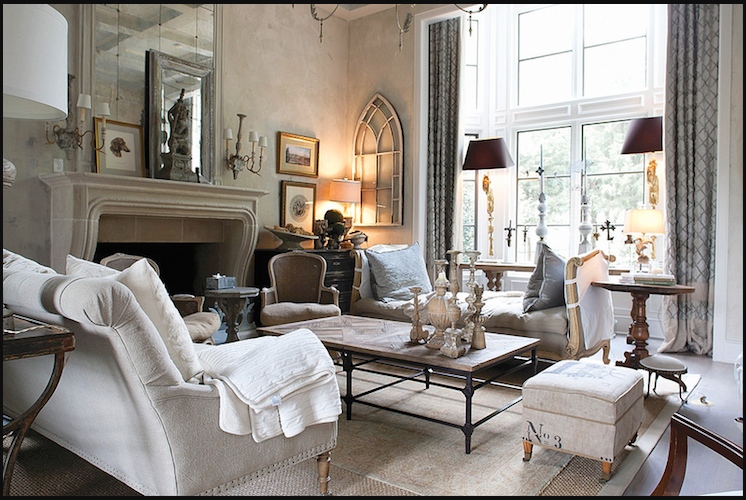
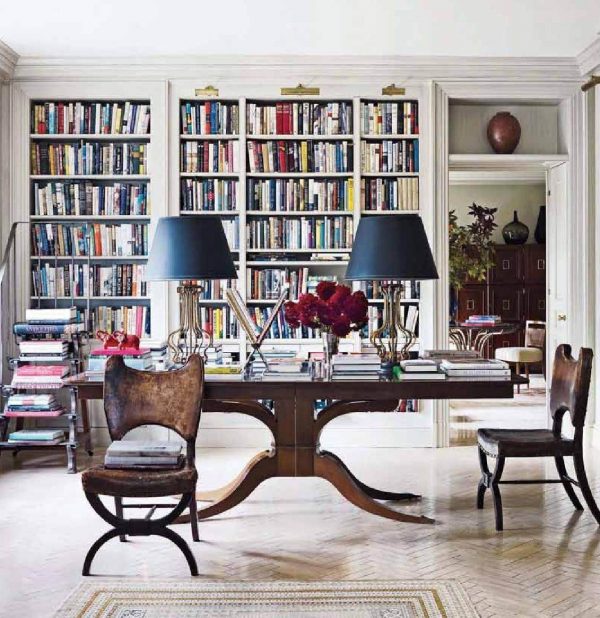
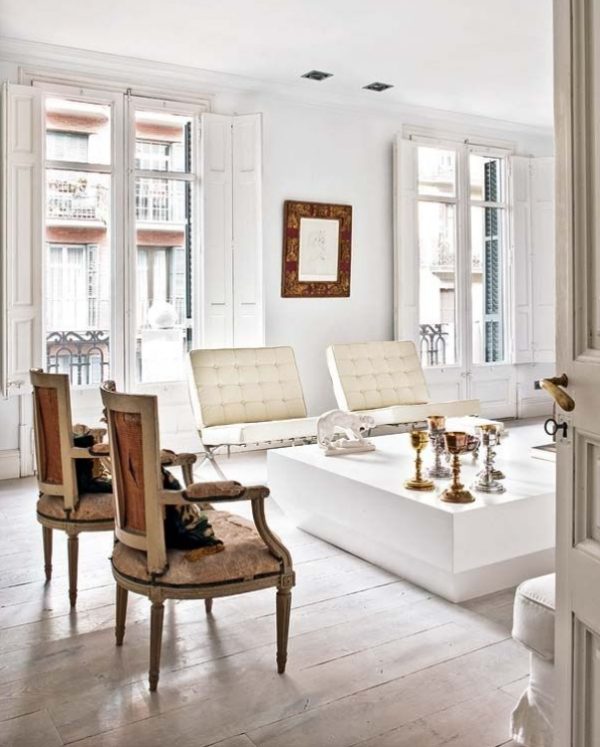
At our antique furniture store, we offer a wide range of styles to choose from, including French furniture, Victorian furniture, and vintage pieces. We believe that every piece of antique furniture has a story to tell, and selecting a style is a great way to bring that history and beauty into your home in a meaningful way. So, whether you’re searching for an antique mirror, an armoire, or a throne chair, consider the importance of selecting a style that reflects your personal style and tastes.

Something Old, Something New – Mixing Contemporary & Antique Furniture

Categories: Articles, Blog, Style|Tags: , , , , |

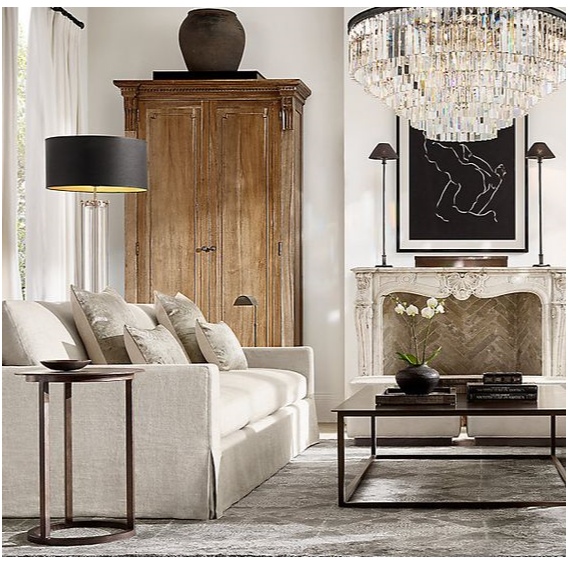
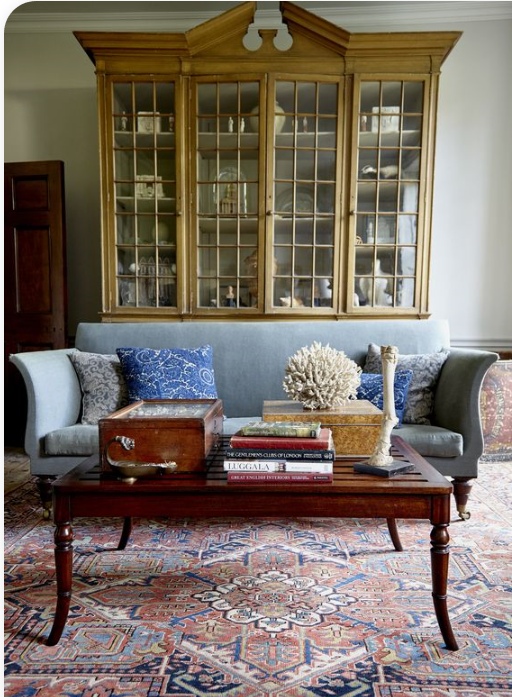
If you are looking for an exciting yet balanced approach to interior design, then mixing contemporary and antique furniture is a timeless solution that will add visual interest and contrast to any home. Marrying different styles in a design scheme allows you to showcase your individuality and for each space to express its own personality without being constrained to one particular era or trend. 

“Modern spaces can especially benefit from incorporating antique and vintage pieces. They add real warmth and character, and the look can be as eclectic as you like.” – Jacqui Moskovitz 

Mix & match does not equal ‘mishmash’

Eclectic, however, is still a decor look that follows certain design principles and so just mixing any antique pieces with any contemporary items is not going to work. Juxtaposing too many different period pieces will create confusion rather than cohesion. But embracing a considered design plan with regard to layout, proportions and materials (and incorporating old and new) will always result in a well-put-together look that makes sense. 

Mixing contemporary and antique furniture

Decide upfront what the overall look is that you are hoping to achieve. Is it a contemporary look with some antique touches, or an antique look with some modern touches? When mixing modern with vintage or antique, follow the 80/20 design rule – i.e. keep 80% contemporary and let the remaining 20%  be vintage or antique accents. This will help you buy wisely and create a successful space.

Mix & match involves repetition

The simplest way of creating a coherent look when pairing contemporary and antique furniture is using repetition. Bring your look together with a common colour scheme, a repeated pattern or similar materials. There must be a mutual attribute that connects the modern and the antique to achieve intrigue and layered sophistication that will make you want to linger in a space and just enjoy the richness of the design story. 

Mixing contemporary and antique furniture

Mix & match adds depth and story

The minute you add a vintage accessory or an antique piece of furniture to a contemporary space you add originality, contrast, history and timelessness. This is the easiest way of avoiding a cookie-cutter or generic ‘showroom’ look. Bear in mind that this will take time as well-designed spaces evolve over time.

Consider the following inspirational ideas:

  • A modern, minimalist kitchen will immediately gain character by adding an antique dresser. A kitchen island will become a focal point with hanging antique pendants – creating story, harmony and interest without being distracting.
  • Transform a basic guest bathroom by hanging an ornate gilded antique mirror or a crystal chandelier for a touch of glamour. (Lighting fixtures are one of the easiest ways of combining the old with the new).
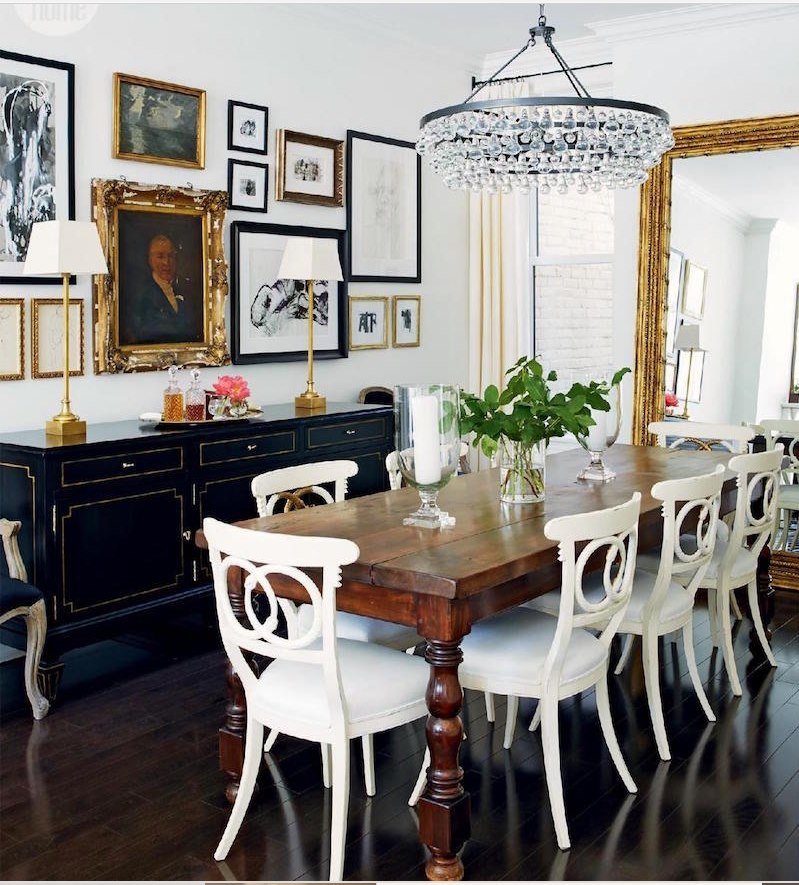
  • Adding contemporary ghost chairs to an antique dining table or partnering upholstered antique chairs with a modern wooden table will create balance and charm without being too heavy and imposing. 
  • Upholster occasional antique chairs with modern fabrics. 
  • Add a modern chair or lamp to an antique desk. 

Mixing contemporary and antique furniture

Mix & match at The Crown Collection

The Crown Collection is SA’s largest collection of antique, vintage, French, and contemporary furniture and accessories, allowing you to choose something old and something new that will add form and function to your home. Whether it is a contemporary piece of furniture or an antique piece of furniture, it needs to resonate with your style and personality. 

With over 5000 pieces of handpicked contemporary and antique furniture, our showroom is just the place to find pieces that you will fall in love with. 

If you are new to the world of antiquing, read our most recent blog highlighting 3 reasons you should be buying antique furniture. 

Find your perfect mix and match pieces by shopping online or visiting our studio at 20 Ballyclare Drive, Bryanston.

3 Reasons You Should be Buying Antique Furniture

Categories: Blog, Style|Tags: , , |

Antique furniture has a reputation for being prohibitively expensive and way beyond most people’s decor budgets, but that is simply not true. If you are sourcing rare collectable items, then be prepared for a hefty price tag,  but If you are simply looking for a quality piece that will spark joy in your home (we love Marie Kondo’s mantra), then vintage or antique furniture and decorative items are the ultimate and affordable design solution to add interest and story to your interiors. 

Adding antique items to your spaces far surpasses mass-produced furniture, becoming statement pieces that will add a timeless element of history and depth to your design personality and easily complementing other styles.  

“I love history. Everything is inspired by history, That is why I love vintage and antiques.” – Kelly Wearstler, Interior designer

Here are 3 reasons you should be buying antique furniture and accessories for your home:

The Style Factor

“ I collect antiques. Why? Because they are beautiful.”  – Broderick Crawford

There is no denying the inherent beauty and timeless elegance of antique furniture pieces and accessories – in any space! The craftsmanship and bespoke artistry have stood the test of time in design functionality and aesthetic form. Antique and vintage items add an old-world charm to a space, giving your design a sense of gravitas, bringing a scheme together and becoming the conversation piece in a room. 

In a world of mass-produced generic furniture and a “disposable culture,” antique furniture and vintage items are the perfect “mix and match” items to add character and class. Every space deserves that.  

Antique furniture

The Investment Factor

“Antique things have an appreciation and a worth… If this antique is preserved and deemed precious, it could be passed down as a family heirloom.”  – CeeLo Green

Beyond their heirloom and nostalgic value, antiques are referred to as investment pieces as they do generally increase in value over the mid-to-long term instead of depreciating like more modern inexpensive and mass-produced furniture. So buying antiques is buying smart. 

Newer furniture designs are often made with laminated chipboard and will generally last between 10 and 20 years, not surviving daily wear and tear well. This means their second-hand value is way less than what you purchased them for. 

Solid wood antique furniture retains its value and grows in value as it is more robust and less likely to break or get damaged, making it a sound (and solid) financial investment if looked after. And there are so many options – including mahogany, oak, walnut and teak – to suit your interiors and make any space beautiful. 

Antique furniture

The Sustainable Factor

“Our admiration of the antique is not admiration of the old, but of the natural.” Ralph Waldo Emerson

One of the most positive benefits of buying antique furniture is its environmentally friendly factor and the impact it can have on protecting the environment. So, buying antiques becomes a responsible “recycling” eco-choice and a better buy. Research has highlighted the lower carbon footprint of antiques compared to modern manufactured furniture. A new piece of furniture that is made in China, for example, has a carbon footprint 16 times higher than the antique equivalent per year.  

Antique pieces are typically crafted from natural resources, such as wood, stone or metals. Because of the nature, longevity, quality and investment value of antique furniture and accessories, they don’t tend to end up being thrown away like their modern mass-produced counterparts and ending up in landfills. 

The Crown Collection Factor

No matter what your experience in sourcing antique furniture may be, the Crown Collection is your place to start. With over 5000 pieces of eclectic and decorative antique, French, vintage, and contemporary furniture and accessories, there is something for your home. 

From armoires, mirrors, chests, linen presses, console tables, cabinets, tables, chairs, settees, sofas, gilded furniture, chandeliers, lanterns, candelabras, silver or crystal accessories, The Crown Collection is the “one-stop-shop” for the discerning antique collector. 

Shop online or visit our studio at 20 Ballyclare Drive, Bryanston.

The Language of Antiquing – Is it Antique or Vintage Furniture?

Categories: Articles, Style|Tags: , , |

Whether you are a novice collector or a seasoned aficionado, there is a unique language to antiquing. From 20th-century interiors such as Downton Abbey’s Highclere Castle to 21st-century homes, sourcing antique furniture requires certain skills, general antiquing knowledge and training your eye to ensure the pieces you purchase will not only add a sense of story to your space, but will be authentic investment pieces that will offer longevity and timeless style. 

As you scout for armoires, chaises and chests of drawers to Tiffany desk lamps, crystal chandeliers and decorative objets d’art, you need to know your Chesterfield from your Chippendale, your Rococo from your Baroque, and your Louis XVI from your George I – just for starters. Then you need to differentiate between mahogany, imbuia, rosewood and walnut. But that is the wonder and delight of becoming a collector and appreciating the history, utilitarian backstory and status of each piece of antique furniture.

When you buy an antique piece – you are buying a piece of the past. You need to be in love with it because any period piece deserves to become a design statement and conversion piece in your home. 

But any discerning collector of antique furniture needs the simple basics and definitions of what sets an antique piece apart from its vintage counterpart. 

Antique Furniture

In broad terms, antique furniture has a higher value because of its age, quality, rarity, handmade craftsmanship, fine artistry and period detailing. (It is not just any item that is really old).

Most antique dealers and experts are agreed that to earn the label ‘antique,’ a piece of furniture needs to be at least 100 years old. (Fine antique dealers consider objects 150 years and older to be antique).

Shopping for antiques should be viewed in the same way as buying original art. Whilst some items can be purchased as an investment, many buyers purchase antique pieces simply for their love of an item – the style, look and feel.  Antique furniture and accessories should be enjoyed in your spaces, giving depth, individuality and interest as well as growing in value over time as they become more scarce and harder to source.

Antique furniture

Vintage Furniture

“An item described as ‘vintage’ should speak of the era in which it was produced.” – Ruby Lane

What makes vintage items highly collectable and valuable is their recognisable qualities that are unique to the specific era in which they were made. Generally speaking, to be termed ‘vintage,’ a piece needs to be at least 30 – 99 years old. Shopping for vintage pieces also includes an element of nostalgia. (But once again, not everything that falls into this timeline is vintage).  

‘Mid-century modern’ is currently a vintage trend that is very popular among designers and collectors, and authentic pieces from that era are highly sought after. Characterised by simplicity and functionality, the ‘Mid-century modern’ movement was started by Bauhaus architects and designers who moved to America from Germany after WWII. 

Antique furniture

The Crown Collection

Sourcing antique furniture is an exciting pastime. A visit to The Crown Collection is not only an elegant step back in time, but it is also an opportunity to be surrounded by beautifully curated antique and vintage pieces that will add interest, character and design depth to your home. Stepping into our showroom is reminiscent of stepping into a London, New York or Paris emporium. 

As one of South Africa’s finest and largest interior decor stores, our collection houses over 5000 pieces of carefully hand-picked decorative antique, French, vintage and contemporary pieces that will appeal to any collector. The Crown Collection is your “one-stop-shop” for the discerning buyer.

Shop all our antique furniture and accessories online or visit our studio at 20 Ballyclare Drive, Bryanston. 

How to Care for Antique Furniture

Categories: Style|Tags: |

antiques-furniture

Humidity and Antique Furniture

Humidity and antique furniture do not go well together. The problem for many collectors is that they want to display their furniture for guests but need to be able to keep it safe as well. Antique furniture collectors should be careful to keep furniture in the ideal environment to preserve it.

Why Are Humidity and Antique Furniture at Odds?

Though many people discuss the quality workmanship of older furniture, it is not true that these pieces are able to survive anything. In fact, antique furniture needs far more care than regular furniture to keep it in good condition. The workmanship often is excellent, but the age of the piece outweighs that quality.

Humidity Defined

Humidity is the result of moisture or water molecules in the air. At low levels of humidity, there are few water molecules in the air, and this often creates the feeling of “dry heat.” Humid areas though, such as tropical climates, can saturate the air with tiny molecules of vapour. This high humidity often makes the air feel heavy and more difficult to breathe. Both of these environments are bad for antique furniture.

Low Humidity

Low humidity, or dry air, basically causes wood and adhesives in the antique furniture to dry out. The wood will begin to warp. All materials shrink some in the heat, which most people know, but they also shrink in low humidity. That means the joints of the furniture are most at risk because if they come apart, however slightly, they may break if someone sits or props on the furniture. Adhesives or lubricants used in furniture also can become brittle in low humidity. If they dry out, they leave the furniture susceptible to damage.

High Humidity

The problems with high humidity are the same problems associated with moisture in general. Some areas can have humidity levels up to 99%. At 100%, the air is completed saturated, and precipitation typically results. At 99%, though, the air is full of water vapour. This moisture, over periods of time, can cause mould to begin to grow on the furniture. This mould can cause significant damage, or even destroy the furniture.

Ideal Humidity

The ideal humidity range for most pieces of antique furniture is 35% to 65% saturation. The furniture should be kept at average room temperature, somewhere between 68 and 75 degrees. While temperature is not the same as humidity, the two are related in that each extreme environment opens the possibility for more damage to the furniture.

Dealing With Humidity

Should you want to keep antique furniture in your home, consider getting a device to measure humidity. You will need to monitor the rooms where you have the furniture to make sure they stay at the right humidity level. Even a few days at the wrong level can begin to cause problems.
There are other ways to deal with humidity and antique furniture as well.

  • Keep antique furniture away from sources of heat or air conditioners. This warning includes both intake and outflow vents.
  • Use a humidifier in the room with antique furniture if you have concerns about how dry the air is.
  • Keep antique furniture away from direct sunlight. You need to control the environment, and you cannot do that as easily if the pieces are exposed to the sun. While a sunroom may make a beautiful spot for your furniture, it is not the safest place for it to be.

Caring for your table

Cracking can be prevented by regular waxing, and the use of a humidifier, and if in very hot areas the whole piece can be waxed twice or even three times a month for moisture. Also, avoid using cleaning sprays and cobra waxes as they contain elements like paraffin that dry up the wood and cause cracks along the grain of the wood and joints. furniture waxes that contain mineral turpentine should be used instead and heating gadgets must not be turned on near the pieces. Any restorer can fill the crack and clamp the table in the meantime and then you would need to use the very good wax we are sending you to keep the table moisturised (2-3 times a month). Also, keep the table out of full sunlight.

Information on wood & humidity

Wood acts as a hygrometer for the area that it is in. Any article made of wood is liable to more or less warping due to changes in humidity. Wood is a hygroscopic material which means it tends to give off its moisture to a dry atmosphere or it takes on moisture from a damp atmosphere until an equilibrium between the two is established. Climates can be tough on any type of wood. This isn’t because of the temperature, but it’s actually due to humidity. Wood acclimates to its environment and will expand and contract depending on the conditions it is exposed to and the humidity level. As the level of humidity in your home drops, the wood your furniture is made out of loses moisture. Like your hands, if wood gets too dry it will shrink and crack. Wood is very sensitive to changes in humidity and in your home, the level of humidity is constantly changing, meaning your wood furniture is always expanding and contracting. In cases of super dry conditions, the wood can shrink and crack.

To prevent your wood furniture from cracking, warping, or drying out, keep the following tips in mind

  • Wood does best in moderate temperatures of around 70 – 72 degrees Fahrenheit and about 50 – 55% humidity, so this is what we recommend keeping your home set to in order to keep your wood furniture in top condition.
  • Watch your humidity in your home and make sure your humidifier is working properly to prevent any and all issues, especially during the winter months.
  • Avoid frequent and sudden changes in humidity, as they can be damaging to furniture.
  • Don’t store wood furniture in the basement, attic, garage, or warehouse, if at all possible, as this will cause it to age more quickly.
  • Avoid excess heat or dryness, as this can cause wood to split and crack.
  • Be sure to keep your furniture away from heat sources such as fireplaces or radiators.
  • In damp rooms or during wet, rainy seasons, use a dehumidifier to remove excess moisture from the air.
  • Keep furniture out of direct sunlight.
  • Keep table leaves as close to your table as possible to ensure they are exposed to the same humidity conditions.
Go to Top