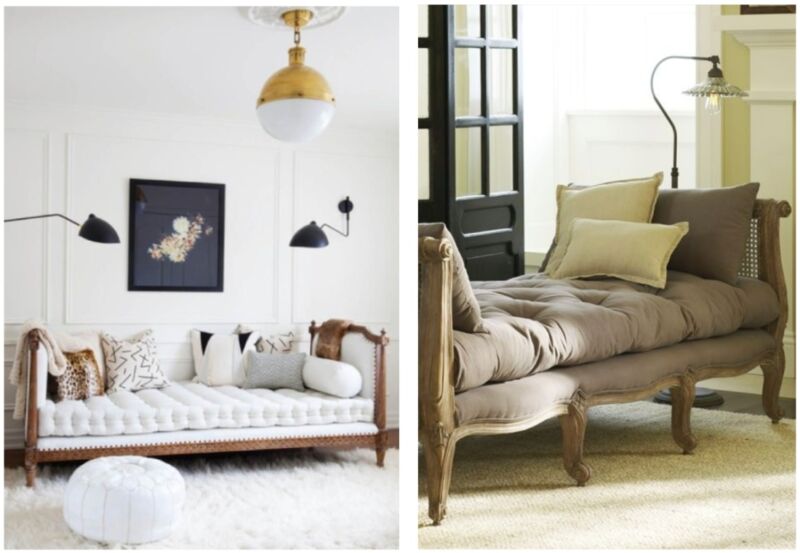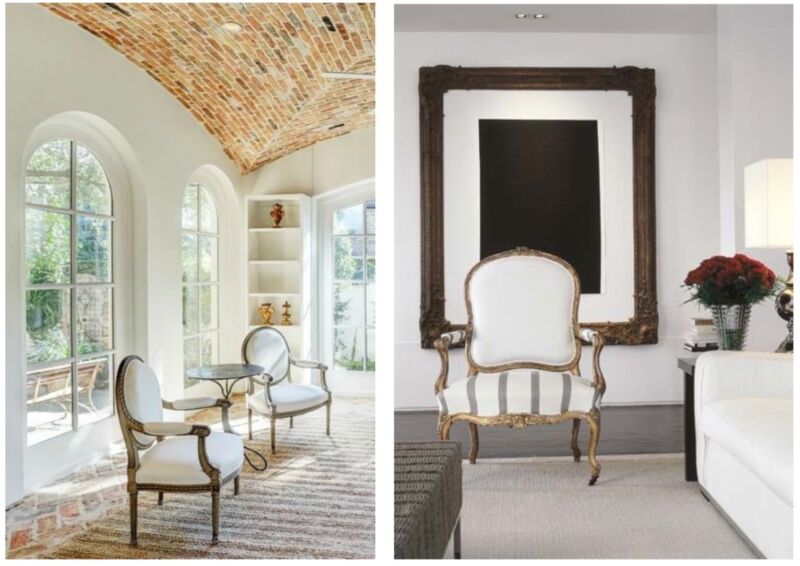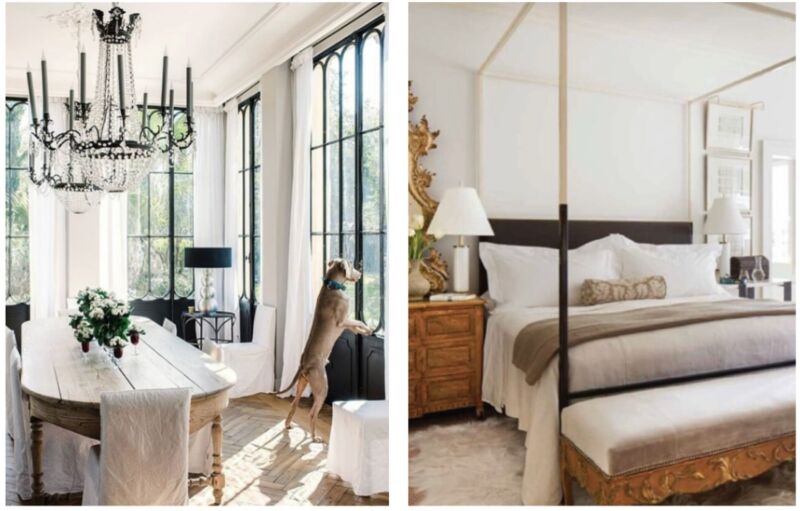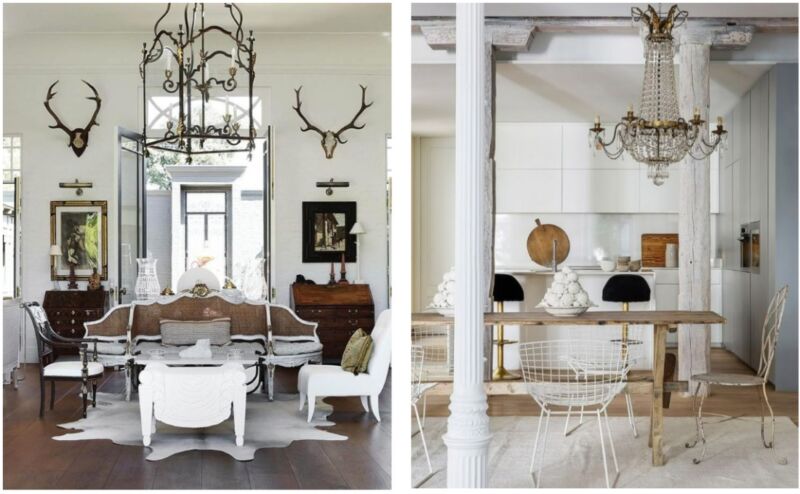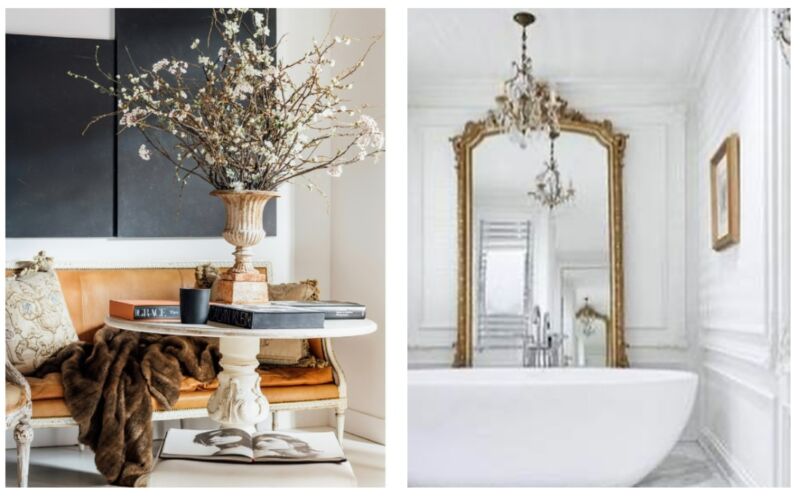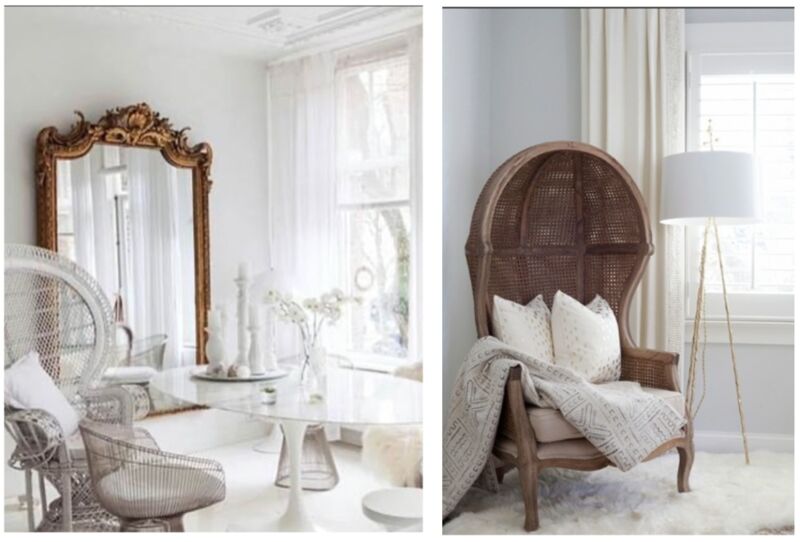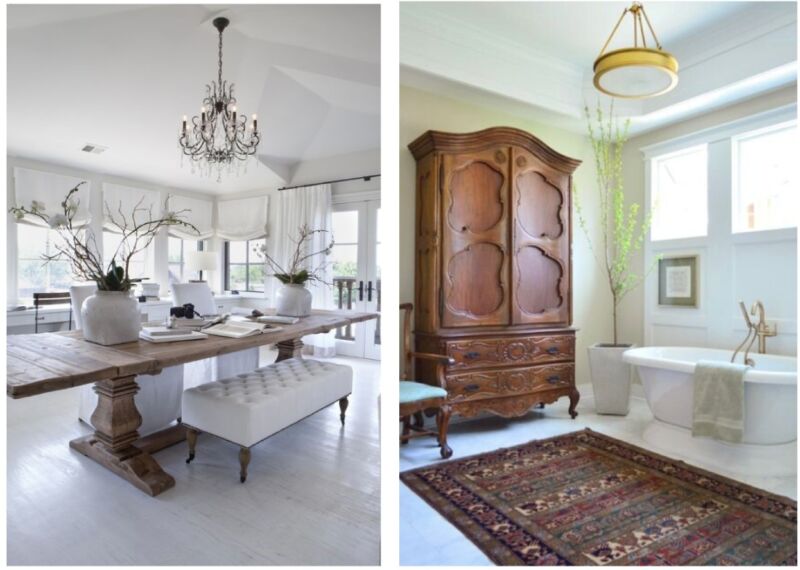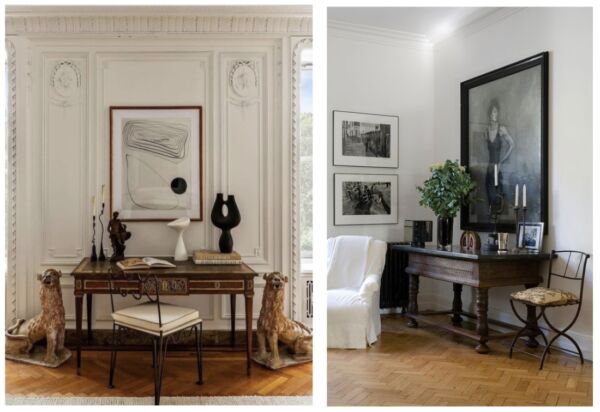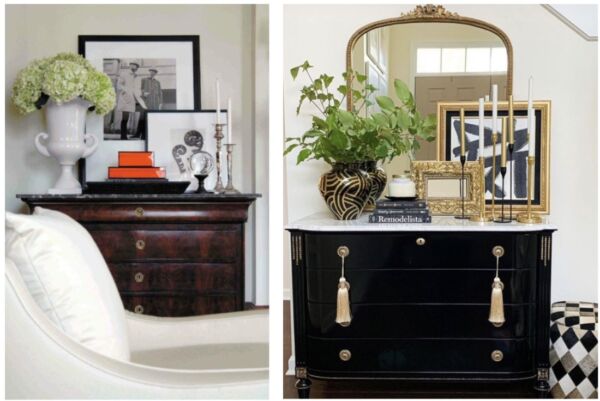
Antique settees in every shape and size | Styling ideas for every room in your home

Categories: Articles, Blog, Style|Tags: , , , , , |

Have you ever walked into a room and felt something was missing—an empty corner, a lack of warmth, or a need for a statement piece? A settee might be the unexpected answer. Antique settees – including French-style daybeds and chaises – bring elegance, charm, and comfort into any space, especially in modern settings. Defying design trends, they blend decorative beauty with functional design. Yet many homeowners face the ‘Goldilocks dilemma’ — the search for a settee that feels ‘just right’  for their specific home, style, and space.


At The Crown Collection, you’ll find South Africa’s largest range of antique and French-style settees, daybeds and chaise lounges. Each piece is handpicked and tells a story, and many can be reupholstered in a fabric of your choice, allowing you to match your settee perfectly to your interior style.
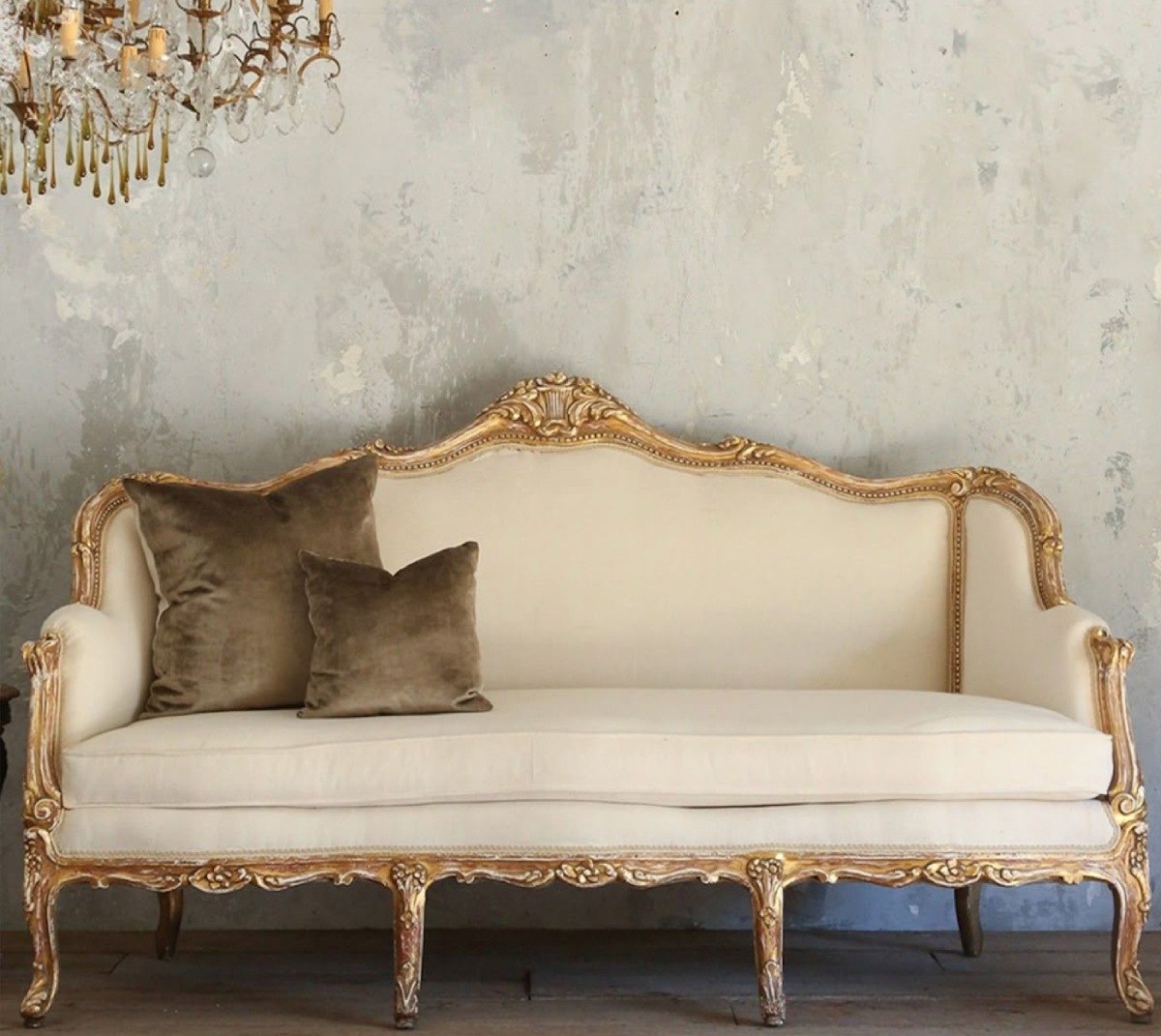
At The Crown Collection, you’ll find South Africa’s largest range of antique and French-style settees, daybeds and chaise lounges.

The timeless appeal of antique settees

The design verdict? Antique settees never seem to go out of date and always add personality to any room. 

Their sculpted wood, graceful lines, gilded patina, and historic silhouettes offer instant character.

Leather-upholstered antique settees also make a striking statement, combining traditional craftsmanship with a refined, contemporary edge.

Pieces such as a Louis XV carved settee or a gilded rattan-back settee lend classic charm and visual interest, and are ‘just right’ in modern homes, vintage-inspired interiors, and eclectic spaces.
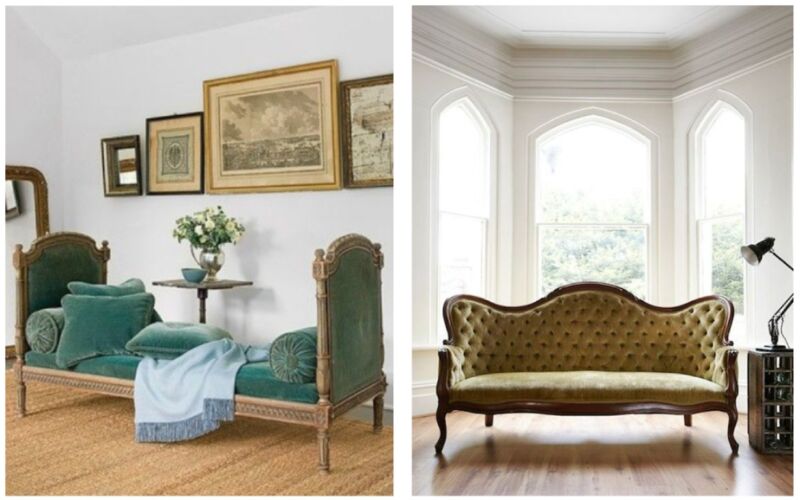
Pieces such as a Louis XV carved settee or a gilded rattan-back settee lend classic charm and visual interest, and are ‘just right’ in modern homes, vintage-inspired interiors, and eclectic spaces.

This ability to transform a room’s visual aesthetic is just one reason many homeowners are choosing antique settees or chaises as statement accents. Their craftsmanship stands out in today’s world of fast furniture. 

TAKE A BROWSE | Each piece from our collection has a history that contributes to its unique décor story — and now is the perfect moment to explore a settee that can bring that same character and timeless beauty into your own home.

French-style settees for classic modernity

French-style settees are the beloved go-to seating options for interior designers and homeowners looking for the wow factor in contemporary spaces. 

Because they don’t go out of fashion, they are worth the investment

Their refined frames, cabriole legs, and upholstered finishes create a sense of softness and luxury in any space.

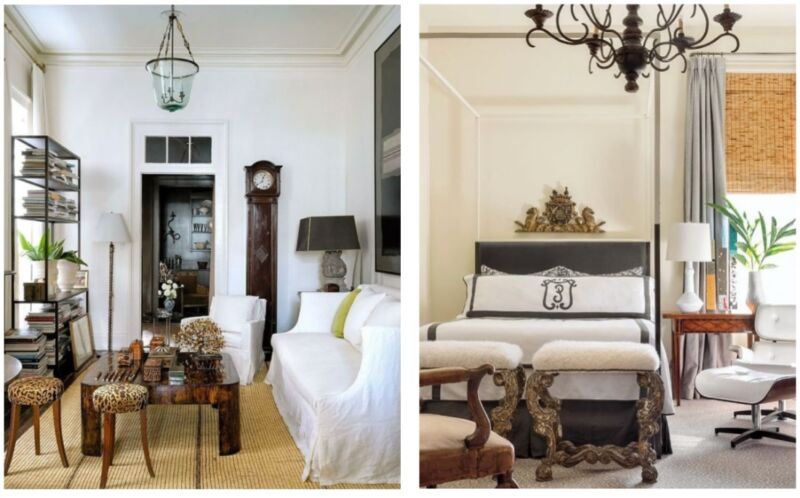
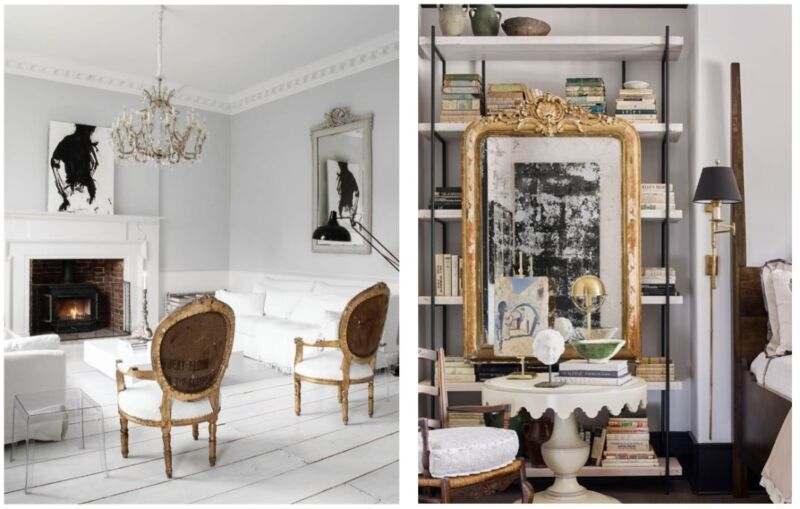
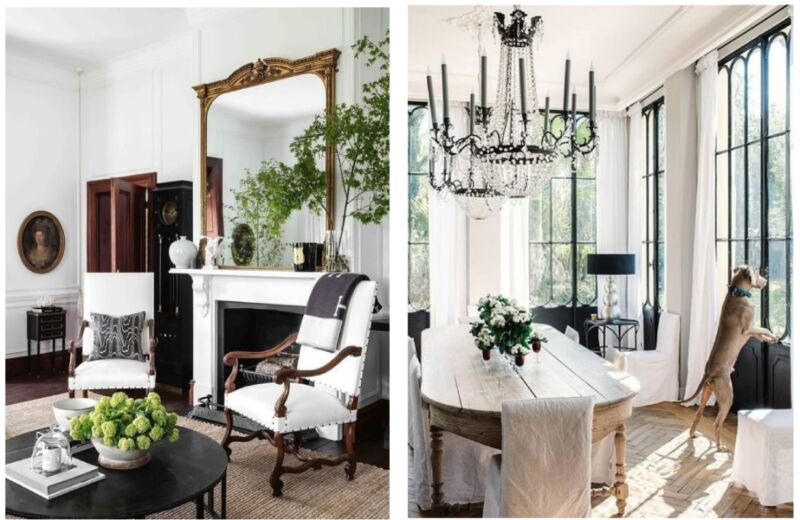
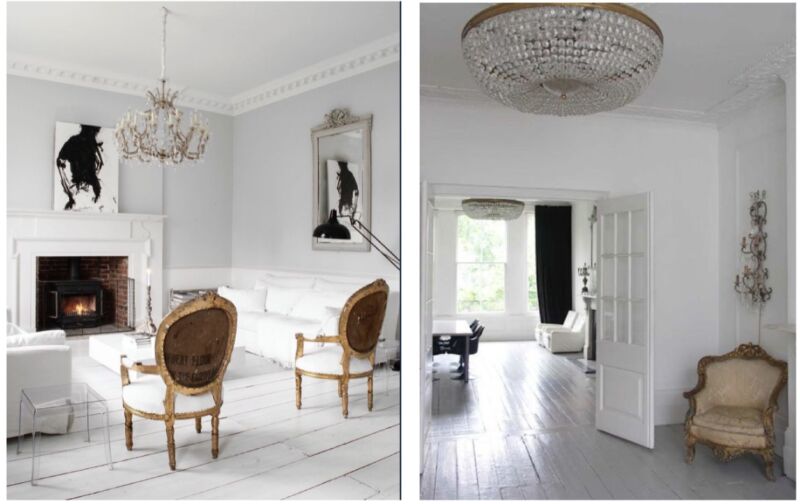
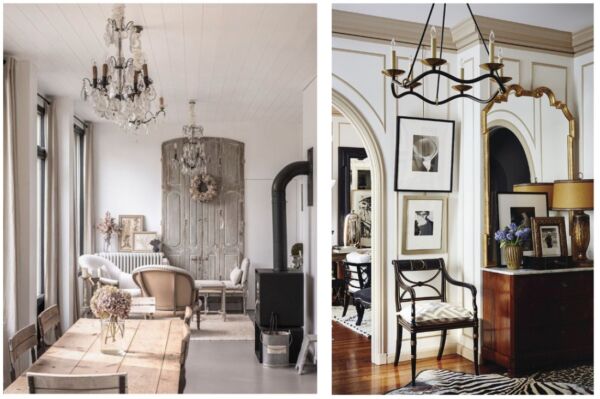
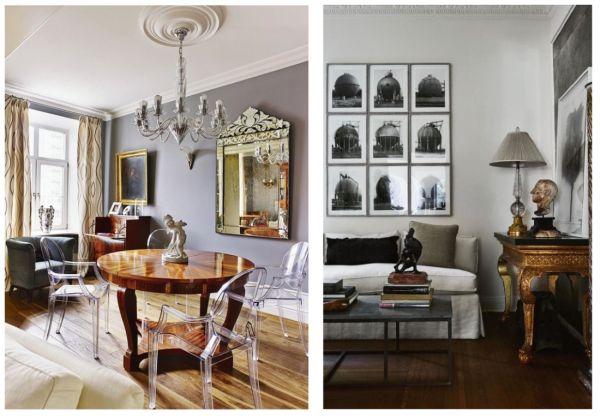
Antique and French-style settees, sofas, daybeds, and chaise lounges also blend seamlessly with chandeliers and gilded mirrors, and pair beautifully with rustic décor and farmhouse antiques. The contrast between refined French curves and natural textures creates a balanced and visually satisfying interior.

How to use settees functionally in your home

Although undeniably beautiful to the eye, antique settees are more than decorative items.

Offering practical seating in various spaces, their compact size makes them ideal for almost any room. Here are a few functional ways to incorporate them:

Entryways and hallways

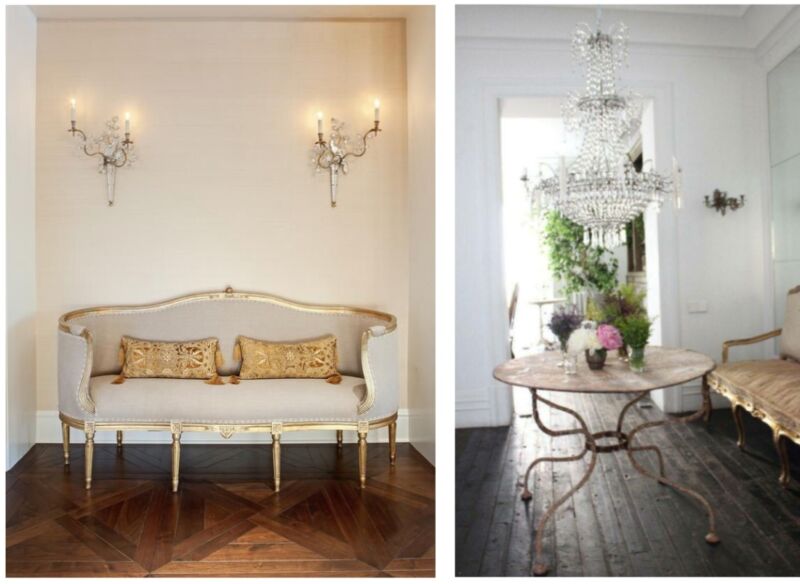
An antique settee creates an inviting first impression and serves as a stylish place to sit while putting on shoes, or as a temporary landing place for jackets, etc. A piece like a carved antique daybed adds charm to an otherwise overlooked area.
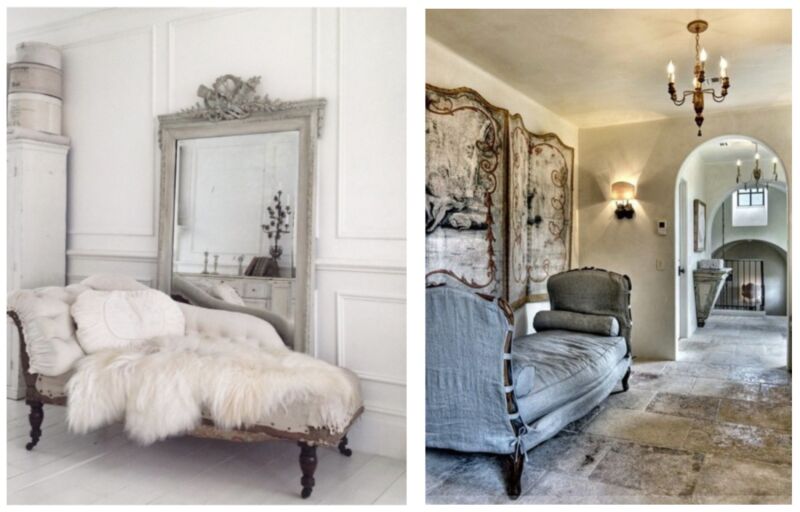
Although undeniably beautiful to the eye, antique settees are more than decorative items. Offering practical seating in various spaces, their compact size makes them ideal for almost any room.

Bedrooms

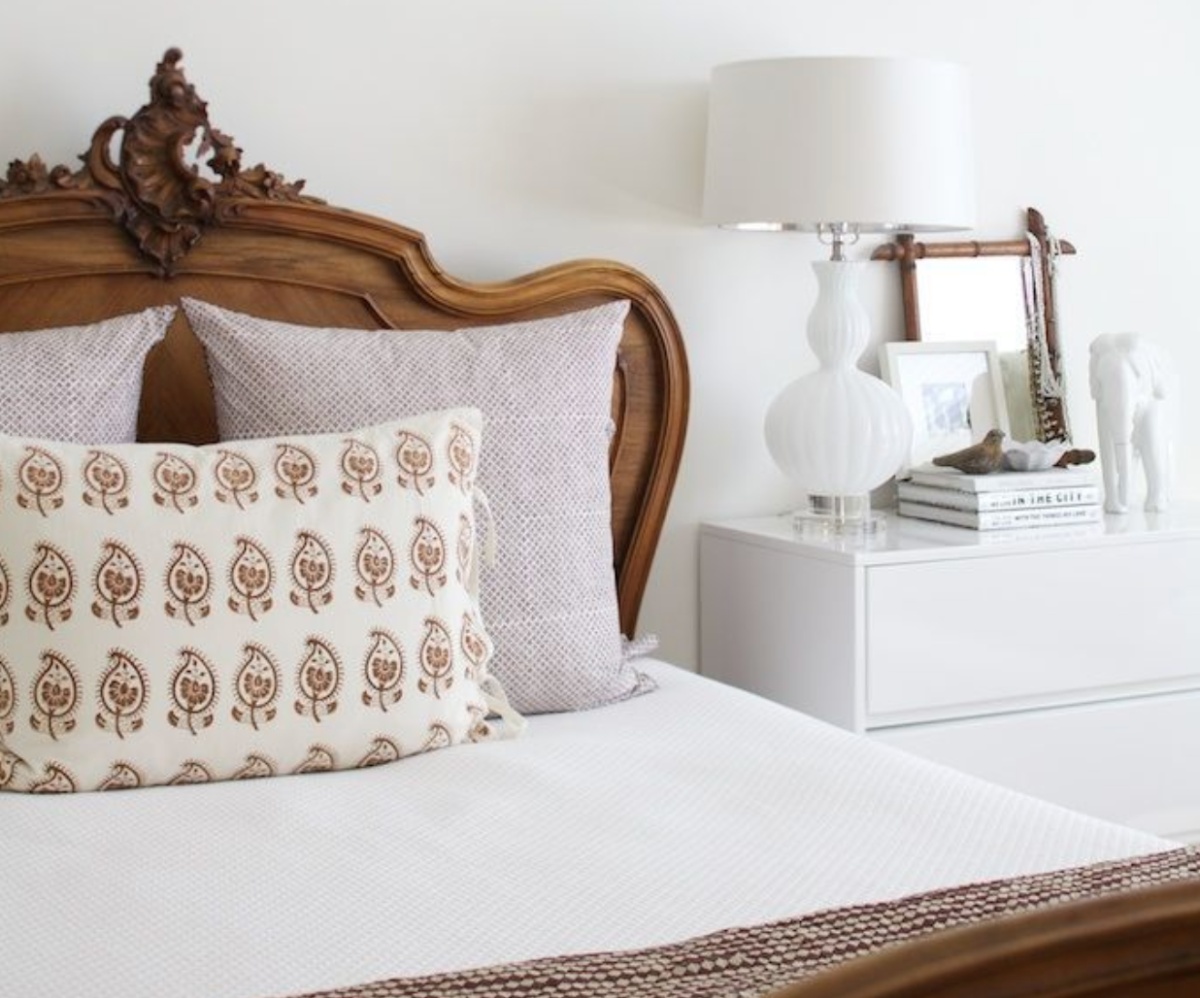
Place a settee at the foot of your bed for a luxurious feel. Choose a soft upholstered French chaise for comfort and elegance. It becomes a personal retreat for reading or relaxing.

Living rooms

Use a settee to complement sofas and armchairs. A French-style settee adds texture and depth while introducing a unique silhouette that breaks the monotony of large sofas.
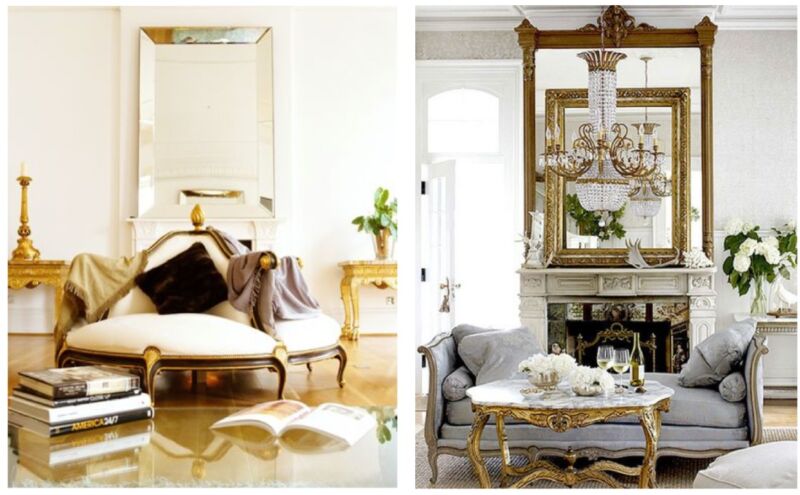
Use a settee to complement sofas and armchairs. A French-style settee adds texture and depth while introducing a unique silhouette that breaks the monotony of large sofas.

Home offices

Create a cosy seating nook with a slim antique settee. It provides comfort without overwhelming the room. A structured French antique sofa adds authority and charm to a professional environment.

Dining spaces

For a chic look, antique settees are wonderful replacements for dining chairs. A small settee with bold upholstery redefines a dining corner by adding comfort and a sense of European café style. (Visit this blog for more inspiration on the settee dining trend.)
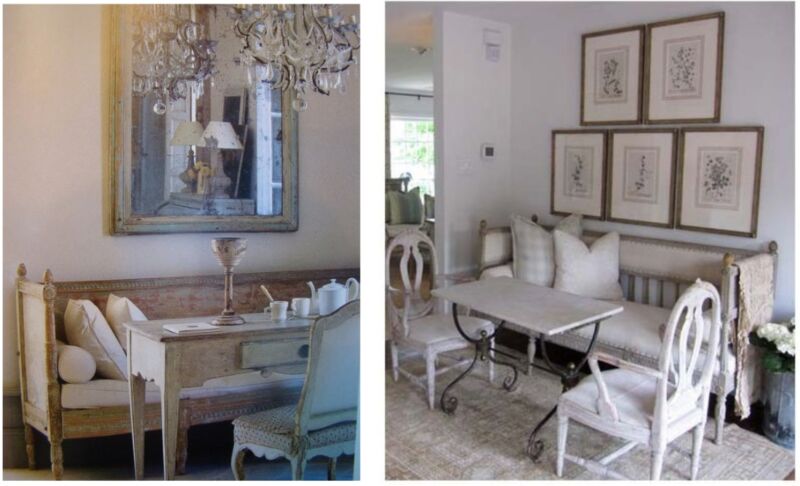
For a chic look, antique settees are wonderful replacements for dining chairs.

Styling settees for maximum visual impact

Décor styling brings out the best in these versatile pieces. Here are simple ways to enhance your settee:

Add cushions and throws

Soft cushions and textured throws add dimension. They also allow you to bring seasonal colours into your décor.
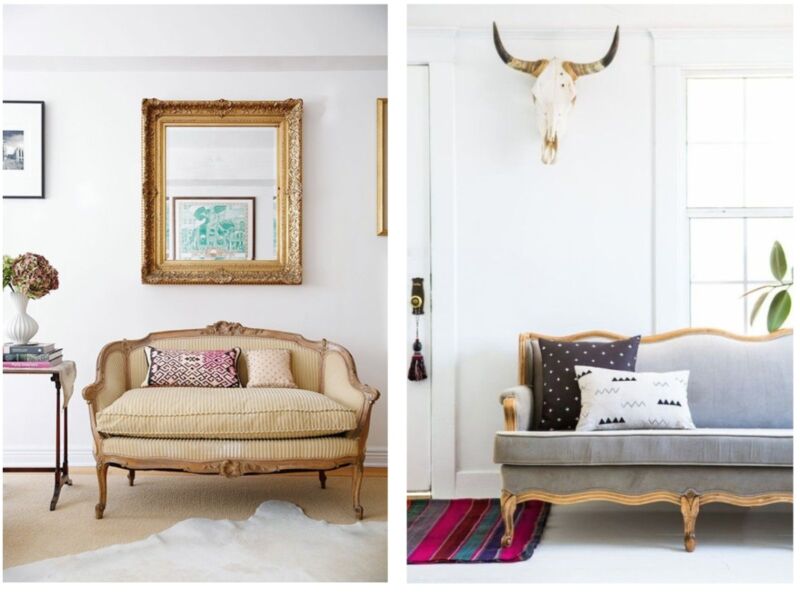
Soft cushions and textured throws add dimension to antique settees. They also allow you to bring seasonal colours into your décor.

Pair with accent tables

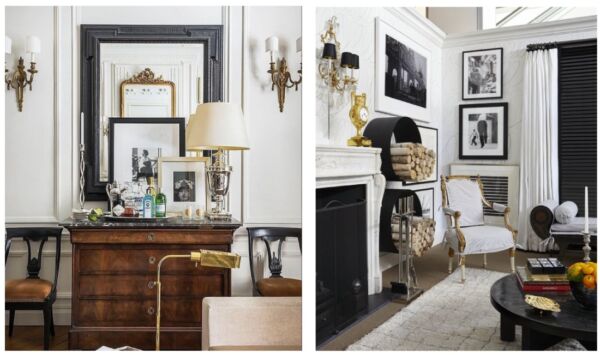
An antique side table or gilded console strengthens the settee’s presence. French-style pieces match beautifully with carved wooden tables or marble-topped consoles.

Use art to frame the space

To create a striking focal point, hang artwork or a decorative mirror above the settee. For a classic museum-style effect, place a decorative settee under a framed antique tapestry. 

Choose the right fabric

The Crown Collection offers reupholstery in a wide range of fabrics. This customisation ensures your piece suits your decor. Velvet, linen, damask, and cotton blends all work well. Upholstery is the easiest way to modernise an antique or enhance its traditional look.
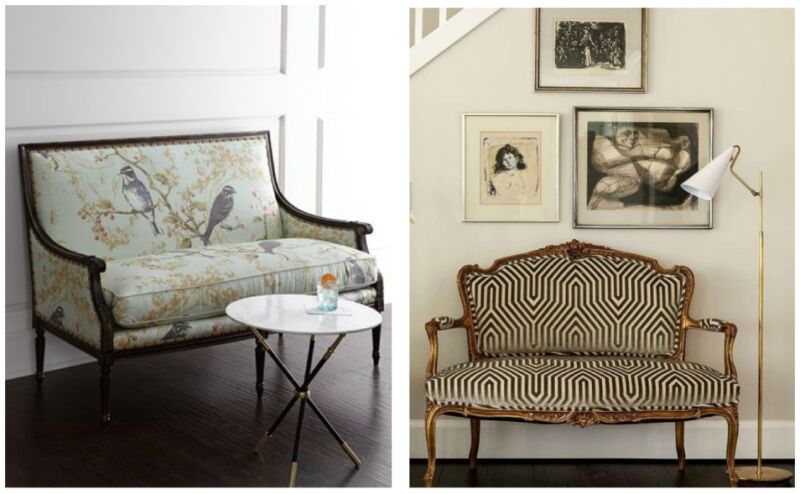
The Crown Collection offers reupholstery in a wide range of fabrics. This customisation ensures your settee suits your decor.

Antique settees that tell a story

When you choose an antique settee from The Crown Collection, you’re investing in quality and history. Pieces like French chaises, curved antique daybeds, and ornate sofas bring character to your home with every carved detail highlighting craftsmanship.

The easy versatility of antique settees, French-style daybeds, sofas, and chaise lounges makes them perfect statement pieces for both formal and casual spaces. 

With endless shapes and sizes available, you can find a piece that is ‘just right’ for your home.

Transform your space with the largest selection in SA

With over 100 settees, daybeds, chaises and ottomans in stock, you’re likely to find ‘ the one’ at The Crown Collection.  

And whether you prefer French elegance, antique charm, or modern comfort, you’ll find a settee that suits your style. Custom upholstery, staining, bleaching, or gilding, all done in-house by our restoration team, adds the final touch.

Explore the collection and discover how one exquisite piece can become a favourite in any contemporary space. 
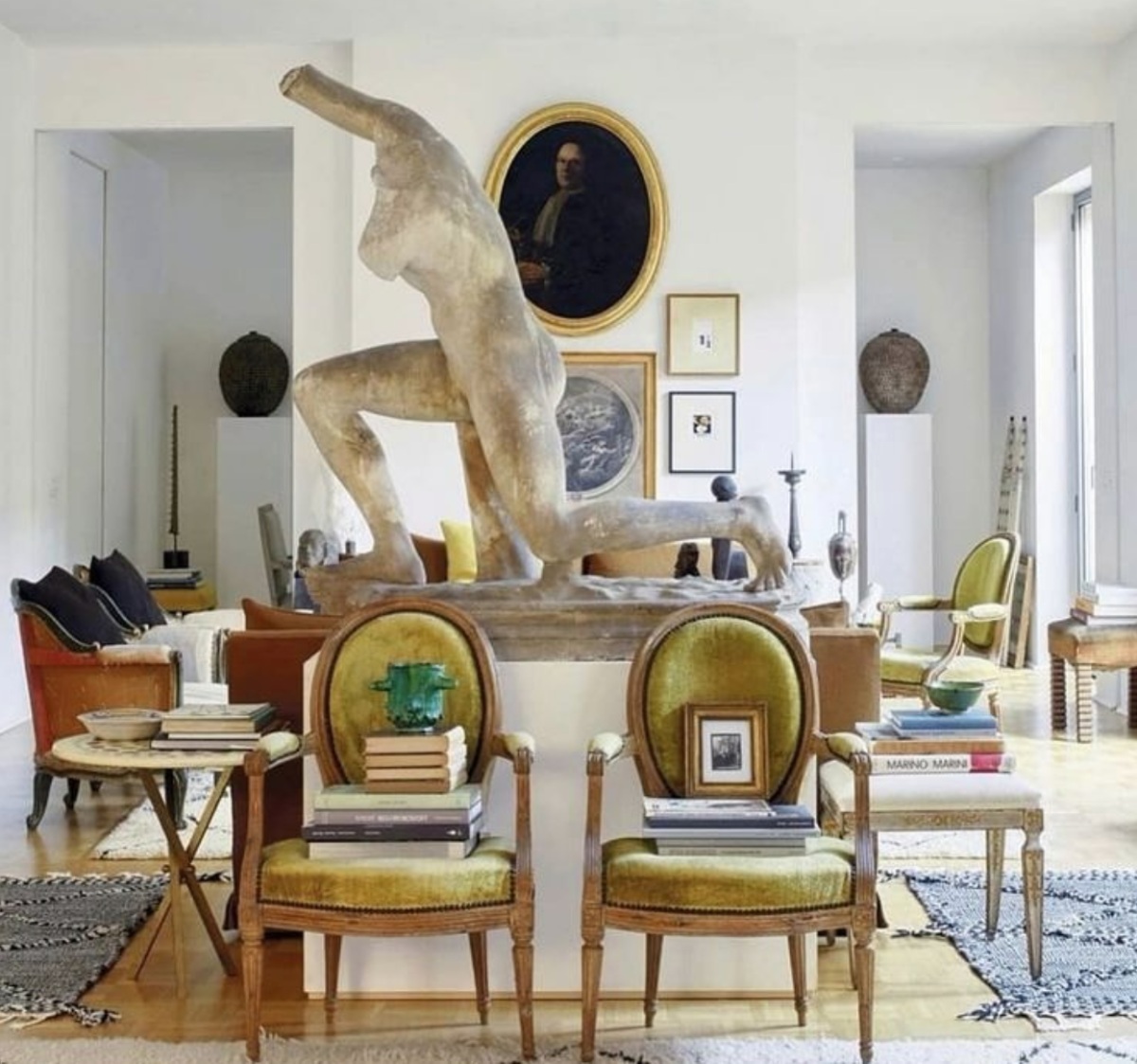
 

Antiques meet modern | Interior designer tips & secrets

Categories: Articles, Blog, Style|Tags: , , , |

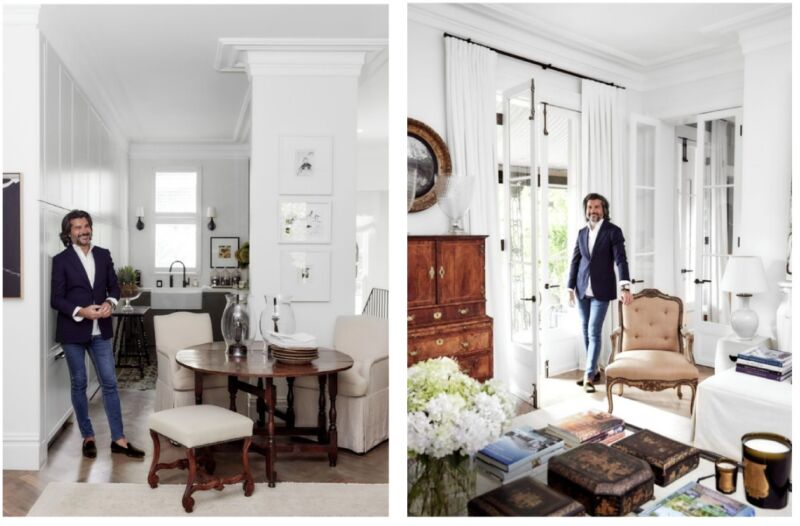
Every home has a story to tell, and the most captivating ones often mix styles and eras. A modern sofa beside a vintage armoire, or a minimalist room enhanced by the graceful lines of a Louis XV chair — these combinations create contrast, texture, and timeless appeal. Designers call this ornate minimalism,’ but for homeowners, it’s simply a beautiful way to make a space feel truly your own.

Today’s most inspiring interiors aren’t defined by one single style but by how thoughtfully they blend them. The secret lies in balance — the art of combining the craftsmanship, history, and romance of antiques or French-style furniture with the simplicity and functionality of modern design. As Australian interior designer Marco Meneguzzi puts it, “My aim is to create truly luxurious spaces that are both timeless and unquestionably liveable.”

Australian interior designer Marco Meneguzzi puts it, “My aim is to create truly luxurious spaces that are both timeless and unquestionably liveable.”

If you’ve ever wanted to achieve this look in your own home, here are a few expert insights and design secrets to guide you.

Why antiques add value to modern interiors

Antiques and French-style furnishings bring depth and character that modern pieces often can’t replicate. 

They introduce a sense of history and authenticity — a richness in patina, texture, and craftsmanship that balances the clean lines of contemporary design.

“Antiques can bring visual interest, warmth and legacy into a contemporary setting.” –Alexander Doherty

By layering the old and the new, you create a home that feels curated, lived-in, and uniquely personal — rather than looking like a brand-new showroom.

How to start mixing styles

Start small and intentional. 

Choose one or two standout antique or French-style pieces — such as an armoire,  sideboard, or console — and let them anchor the room. Keeping most of the surrounding décor modern maintains balance while allowing the antique to shine as a statement piece.

If you’re new to mixing styles, start with smaller accessories, such as a decorative mirror, side table, chandelier, or chair. These add a touch of heritage without overwhelming the space.

Always consider scale and function — pieces should feel proportionate to the room and functional in everyday life.

When mixing antiques in modern spaces, always consider scale and function — pieces should feel proportionate to the room and functional in everyday life.

Designer secrets for seamless blending of antiques in modern spaces

To make your mix of old and new feel cohesive rather than cluttered, interior designers use a few simple strategies:

  • Balance the ratio: Aim for about 70% modern to 30% antique pieces.
  • Mix, don’t match: Combine different woods and metals — for example, brass with matte black or walnut with light oak.
  • Ground ornate pieces: Use modern rugs, neutral walls, or simple lighting to integrate antiques naturally into the space.
  • Refresh details: Swap outdated hardware or lampshades for modern alternatives to tone down the traditional look and feel.
  • Embrace patina: Let the signs of age show — that’s where the charm and story lie.

Choose one or two standout antique or French-style pieces — such as an armoire, sideboard, or console — and let them anchor the room. Keeping most of the surrounding décor modern maintains balance while allowing the antique to shine as a statement piece.

How French-style pieces fit in

French-style furniture often features more ornamentation, curves, gilding, tapestry upholstery, or carved details than the clean-lined modern aesthetic. 

The key is restraint. 

Pair one elegant French hero piece with surrounding simplicity and restrained modern pieces to avoid visual clutter.

For example:

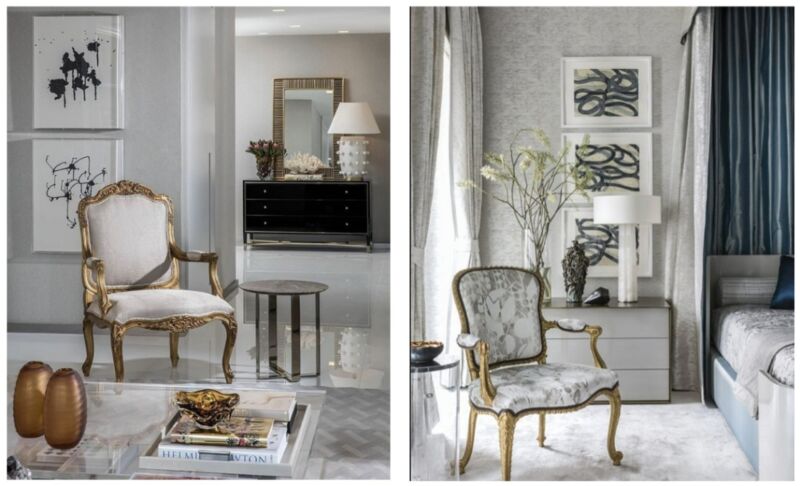
  • A Louis XV armchair beside a sleek, contemporary sofa.
  • An ornate console paired with modern lighting and minimalist décor.

This creates a striking visual moment without overwhelming the space.

Pair one elegant antique French hero piece with surrounding simplicity and restrained modern pieces to avoid visual clutter.

Room-by-room inspiration

Living Room:
Anchor the space with one standout antique or feature French piece — such as a decorative console, drinks cabinet, or coffee table — and surround it with clean-lined, modern furniture. Keep walls and floors neutral to let the craftsmanship stand out. Use a modern rug under an antique coffee table, or use a modern sofa around an antique sideboard repurposed as a media console.

Dining Room:
Pair a French or antique dining table with modern chairs for balance. 

Hang a simple, sculptural pendant light overhead and style your sideboard with contemporary ceramics or abstract art. Let an antique sideboard carry the antique weight; dress it with modern accessories (e.g., ceramic vases, modern art above it) to keep it fresh.

Bedroom or Home Office:
A mirrored headboard or an antique chest at the foot of the bed can be a welcome focal point in a modern bedroom. In a home office, an antique desk, paired with a modern ergonomic chair and minimalist shelving, perfectly marries style and function.  

By selecting antiques with purpose, updating or styling them cleverly, and surrounding them with contemporary furnishings and accents, you create a space that feels enriched and timeless rather than mismatched.

Interior decorator tips for a cohesive, intentional look

  • Create visual links: Repeat a material or colour between old and new pieces (e.g., brass accents or oak tones).
  • Give pieces space: Use negative space effectively and let statement antiques breathe — don’t crowd them.
  • Tell your story: If the piece is a family heirloom or has provenance, display it proudly as part of your home’s narrative.
  • Be patient: The best interiors evolve. Add, adjust, and layer gradually.
  • Stay harmonious: Play with contrast and character, but keep a consistent colour palette and scale.

By selecting pieces with purpose, updating or styling them cleverly, and surrounding them with contemporary furnishings and accents, you create a space that feels enriched and timeless rather than mismatched.

Bring your vision to life with The Crown Collection

Blending antiques or French-style pieces into modern interiors isn’t about pasting a period piece into a contemporary home and hoping it works. It’s about thoughtful curation — allowing craftsmanship, design, and emotion to coexist beautifully.

At The Crown Collection, you’ll find over 5,000 handpicked, authentic antiques and French-style furniture that perfectly bridge past and present. Each piece has been carefully selected for its beauty, heritage, and ability to complement contemporary living.

Visit our showroom at 20 Ballyclare Drive, Bryanston, or explore our collection online to discover how timeless craftsmanship can enhance your contemporary home.

The Crown Collection — where antiques meet modern design inspiration.


How to add French-style furniture to a modern minimalist home | Your top questions answered

Categories: Articles, Blog, Style|Tags: , , , , |

There’s a growing trend reshaping contemporary interiors: blending antiques—especially French pieces—with modern minimalist design. Homeowners are rediscovering how the craftsmanship, elegance, and patina of French-style furniture bring warmth, character, and timeless sophistication into even the most pared-back spaces. 


In design circles, the art of mixing eras—particularly French antiques with clean, contemporary interiors—is more celebrated than ever.

It’s a combination that brings soul to simplicity, romance to restraint, and timeless craftsmanship to the quiet elegance of minimalist living.

But as more homeowners opt for the curves of a Louis XV chair or a decorative gilded mirror to soften their modern edges, obvious questions arise. How do you add heritage without heaviness? Character without clutter?

“Rawness and refinement are not opposite ends of a luxurious spectrum. They are two complementary features with which to populate a luxe environment.” -Kelly Wearstler

French pieces, with their sculptural silhouettes and artisanal touches, become striking focal points in a pared-back environment.

If you’re eager to fuse French charm with contemporary clarity, here are the top questions style-conscious homeowners ask—with design-forward answers.

#1 Will French antiques clutter my minimalist aesthetic?

Surprisingly, no. Minimalism isn’t about owning nothing—it’s about owning the right things. 

French pieces, with their sculptural silhouettes and artisanal touches, become striking focal points in a pared-back environment. 

For an introductory overview of the ornate minimalism design trend, read this blog.

Place one standout piece — a curvy fauteuil, a rustic French farm table, or a gilded trumeau mirror — and let it breathe. The surrounding simplicity turns the antique into art.

#2 How do I maintain a modern look when French pieces tend to be ornate?

Balance is the secret when incorporating decorative details into contemporary spaces. 

French Rococo curves and carved florals pair beautifully with the calm, disciplined lines of contemporary design. 

Balance is the secret when incorporating decorative details into contemporary spaces. French Rococo curves and carved florals pair beautifully with the calm, disciplined lines of contemporary design.

Let your antique shine against clean architecture or streamlined furniture. A Louis XVI side table beside a modern sofa is wildly chic when the rest of the space stays intentional. 

Juxtaposition is powerful. The deliberate pairing of a raw, bleached French antique table with modern, minimalist chairs, or a sleek, contemporary sofa with an ornate French chandelier, creates an unusual but satisfying visual interest.

#3 What colour palette works best with French antiques in a minimalist setting?

Neutrals reign. Soft whites, muted creams, cool greys, gentle taupes, and chalky pastels help antiques harmonise with contemporary surroundings.  These tones highlight patina and aged finishes without overwhelming the space. 

For understated drama, pair a gilt mirror with charcoal walls –  it’s moody, modern, and undeniably French.

When adding French-style furniture to modern spaces, Neutrals reign. Soft whites, muted creams, cool greys, gentle taupes, and chalky pastels help antiques harmonise with contemporary surroundings. These tones highlight patina and aged finishes without overwhelming the space.

#4 Can I mix different French styles?

Absolutely – if they share a visual thread. Designers often unify pieces through colour, wood tone, scale, or upholstery.

The romance of Louis XV sits beautifully beside the structure of Louis XVI when finishes complement each other, while French Provincial adds rustic authenticity almost anywhere.

This blog provides a straightforward breakdown of three popular French decor styles.

#5 How can I style antiques without over-accessorising?

Think editorial, not crowded

Let each piece become a ‘moment’—a single candlestick on a sleek console or a blue-and-white jug on a minimalist shelf. 

In a contemporary interior, restraint honours the craftsmanship of antiques. 

In a contemporary interior, restraint honours the craftsmanship of French antiques.

#6 Will antiques look out of place in an open-plan home?

Not at all. French antiques can define zones within an open-plan layout:
– A Provincial table anchors a dining area
– A tall armoire adds height
– A gilded mirror grounds an expansive wall

Consider proportion and choose pieces that match the room’s scale.

#7 Are French antiques practical for everyday living?

Yes. Many French pieces were built to survive centuries of use. 

Oak armoires, Rococo beds, chaise lounges, farmhouse tables, and ladder-back chairs were made for family life, not museum display. 

For more delicate pieces, such as fauteuil chairs, use them in accent roles—beautiful and functional, but not subjected to the daily wear of lounge seating.

#8 How do I blend French antiques with modern art and lighting?

With enthusiasm. The interplay is where the magic happens.

Consider proportion and choose French pieces that match the room’s scale.

A bold contemporary painting above a Louis XV chest creates a dynamic, gallery-like vignette.

A minimalist pendant light over a rustic farm table keeps the look grounded and fresh. Modern lighting, in particular, does wonders to keep antiques from feeling dated.

#9 Which French accessories work best in a minimalist home?

Curated pieces with authenticity and soul—never theme-heavy décor. 

A few suggestions for a successful design start:

  • Gilded antique wall mirrors
  • Brass or crystal sconces
  • Aged confit pots
  • Wrought-iron candlesticks
  • Natural French linens

Each brings history without overwhelming the calm.

Many French pieces were built to survive centuries of use. Oak armoires, Rococo beds, chaise lounges, farmhouse tables, and ladder-back chairs were made for family life, not museum display.

#10 How do I make sure French antiques don’t look “stuffy”?

Lighten them up.

Reupholster a Louis XVI chair in stone-coloured linen, pair a gilt mirror with natural jute, or place an ornate side table next to an ultra-modern sofa. Contrast creates freshness. When styled with simplicity, even the most elaborate French antique feels unexpectedly cool.

Our in-house restoration team can stain, upholster, bleach, gild, or decolour any item from our curated inventory to achieve your desired look. 

#11 Should I restore or keep the patina?

Patina is priceless. Restore only if the structure is compromised. Otherwise, cherish every mark—aged finishes bring depth that brand-new pieces cannot.

Patina is priceless. Restore only if the structure is compromised. Otherwise, cherish every mark—aged finishes bring depth that brand-new pieces cannot.

#12 How many French antiques can a minimalist home handle?

Far fewer than you think—and that’s the beauty.
Think of antiques as anchors:

  • A small apartment: 1–2 statement pieces
  • A medium home: 2–4 thoughtfully placed pieces throughout
  • A large home: up to 5–6, each with room to shine

Minimalism isn’t about scarcity—it’s about intentionality.

Incorporating French antiques into a modern home isn’t about recreating a French Chateau or a Parisian pied-à-terre — it’s about layering a historical narrative with restraint and elegance. When thoughtfully placed, each antique makes a minimalist space feel richer, warmer, and unmistakably personal.

Discover the timeless elegance of the Crown Collection—shop exquisite French-style furniture and antiques online or visit us in-store to find your perfect statement piece today.

How to style furniture & accessories | Blending antiques with modern design

Categories: Articles, Blog, Style|Tags: , , , , |

Creating (and curating) a home that honours the past while still feeling fresh and contemporary starts with purposeful styling. Fusing antique furniture and accessories with contemporary design is both an art and a joy. Whether you’re styling a console, a shelf, or arranging accessories across a living area, the goal is always to strike a balance between antique character and modern ease that tells your story. 

Here’s how to layer timeless pieces with today’s sensibilities:

#1 Start with a core collection of meaningful pieces

Establish strong foundational anchor pieces, such as an antique dresser, an heirloom sideboard, or a beautifully aged console. 

These act as focal points that ground the design and establish personality.

Pro tip | Show stylistic restraint – Limit your palette to 3–4 complementary colours or materials (antique brass, aged wood, faded leather, modern matte paint).

Layering and mixing elements of varying form and dimension draws the eye and keeps each vignette dynamic.

#2 Play with shape, height, and texture

Layering and mixing elements of varying form and dimension draws the eye and keeps each vignette dynamic. Combine sleek modern vases with ornate antique frames, or stack vintage books beside streamlined contemporary sculptures 

  • Shapes: Juxtapose angular lines with round or irregular forms.
  • Heights: Seat lower accessories beside tall lamps or candlesticks to create an engaging skyline across your console or shelf
  • Textures: Offset polished surfaces with weathered woods or patinated metals to enrich the tactile experience

Pro Tip | Group items using odd numbers & thoughtful pairing – Clustering books, candles, or sculptural items in threes or fives allows the eye to flow naturally. And creates visual rhythm. 

Example layout for a console table:

  • Left side: A trio of antique books topped with a modern sculptural object.
  • Centre: A mid-century brass lamp or sculptural modern piece.
  • Right side: A trio of antique candlesticks or a small vase. 

#3 Embrace the 80/20 Rule

A visually harmonious blend often follows the principle of 80% modern pieces complemented by 20% antiques. 

This ensures your space looks thoughtfully put together rather than cluttered or overly themed. For instance, a sleek contemporary sofa can be paired with a decorative antique mirror or a charming antique lamp to introduce contrast and intrigue.

A visually harmonious blend often follows the principle of 80% modern pieces complemented by 20% antiques.

Prop Tip | Let a singular antique be the hero – A grand gilded mirror, a large-scale heirloom artwork, or a vintage rug gives the room focal drama and contrast against more contemporary furnishings

#4 Mix eras with cohesive threads

One of the richest approaches is to juxtapose eras in a way that feels intentional is to unify through colour or finish. 

Give disparate pieces cohesion by sticking to a specific colour scheme or by applying similar finishes – such as muted matte tones or complementary metal accents..

Pro Tip | Repurpose or refresh  – Don’t hesitate to paint or reupholster an antique piece so it dialogues with modern surroundings; this keeps its history intact while giving it new relevance. 

When mixing furniture and accessories, Incorporate statement lighting to elevate ambience

#5 Incorporate statement lighting to elevate ambience

Lighting transforms styled areas into inviting showcases:

  • Table lamps or sconces work beautifully to highlight your display and add warmth, especially when layered near antiques or art. 
  • French chandeliers or antique wall scones can serve as understated luxury, especially when paired with minimal modern surroundings.

Pro Tip | Layer Art and Reflections for Dimension – Hang a mirror, art piece, or framed gallery above your console to draw the eye upward and introduce depth. This transforms your wall into part of the display. 

 Hang a mirror, art piece, or framed gallery above your console to draw the eye upward and introduce depth. This transforms your wall into part of the display.

#6 Let architecture guide the mix

Take your home’s inherent style into account. Curate around its ‘bones.’ This could be in a period Victorian home, a mid-century gem, or a sleek modern loft apartment. Matching furniture and accessories to architectural eras adds cohesion and purpose to your design choices.

Pro Tip |  Start Small, Refine Often – If you’re easing into the mix-and-match approach, begin with smaller antique accents—like frames, lamps, or small decor—and monitor how they feel over time. Move pieces around until the balance clicks with your space and taste. 

#7 Embrace negative space

Less is more, especially when mixing richly detailed antique pieces with modern accents. Every space needs breathing room around thoughtful groupings to avoid clutter. This also allows each piece to stand on its own and be noticed as an integral part of the design vision. Embracing the ornate minimalism décor trend blends modern simplicity with antique detailing. It combines the clean, uncluttered look of minimalism with the decorative charm of antiques, creating elegant spaces that feel both timeless and contemporary.

Prop Tip | Select decor slowly and avoid overfilling shelves, reserving personal memorabilia for more intimate spaces. 

#8 Prioritise authenticity over imitation

One of the greatest joys of mixing antiques into modern spaces is the authenticity they bring. Avoid replicas or faux antiques that lack depth and authenticity. Instead, seek genuine pieces that celebrate the craftsmanship and artistry that no longer exist in today’s factory-made furniture.

Antique furniture and accessories carry a history that mass-produced items can’t replicate. They infuse your home with character, warmth, and a timeless sense of story that evolves beautifully with each generation.

Antique furniture and accessories carry a history that can’t be replicated by mass-produced items.

#9 A sample styling scenario

Imagine you want to style a console in the living room:

  • Anchor | A sleek, modern console table.
  • Statement | A large, ornate gilded antique mirror placed above the console table. 
  • Base layer | One or two stacks of art or design books.
  • Accent | Antique brass or silver candlesticks on one stack, balanced by a low ceramic bowl on the other.
  • Greenery | A fresh or preserved botanical in an antique blue and white vase. 
  • Lighting | A simple contemporary lamp reframed to complement the antique mirror rather than compete.
  • Cohesion | Subtle matching of brass tones across accessories and the mirror frame.

Styling furniture and accessories with an antique-modern mindset is about honouring your home’s history while embracing contemporary elegance. For a timeless aesthetic, you need structure (your architecture and anchor pieces), rhythm (varying heights and groupings), harmonic balance (colour, finish, and era cohesion), and a dash of soul (personal treasures that tell your story).

The Crown Collection Décor Store – situated at 40 Ballycalre Drive, Bryanston – is your ultimate in-store experience and online destination for over 5,000 antique, French, and contemporary furniture items and accessories that make every space unforgettable.

Decorating with antique screens | A classic solution for contemporary living

Categories: Articles, Blog, Style|Tags: , , , , , |

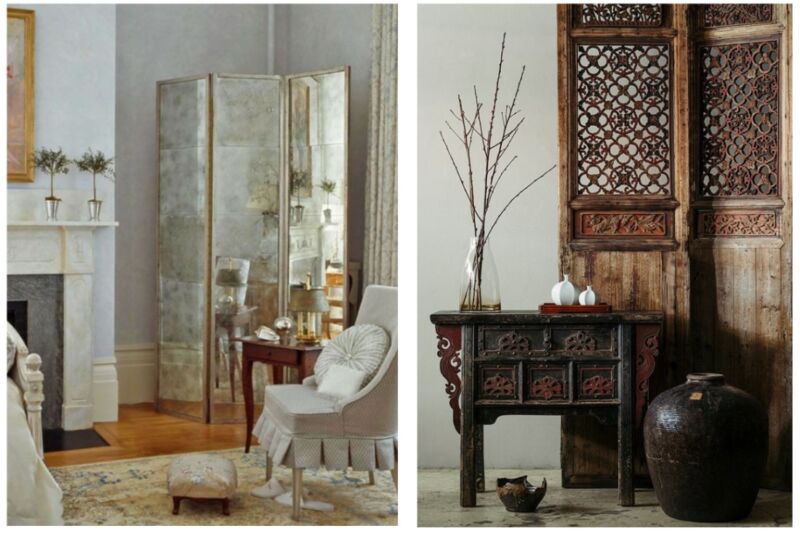
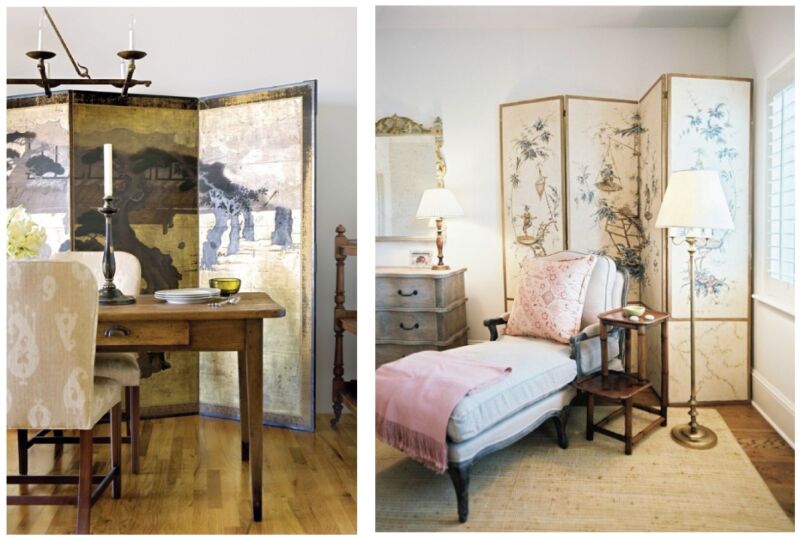
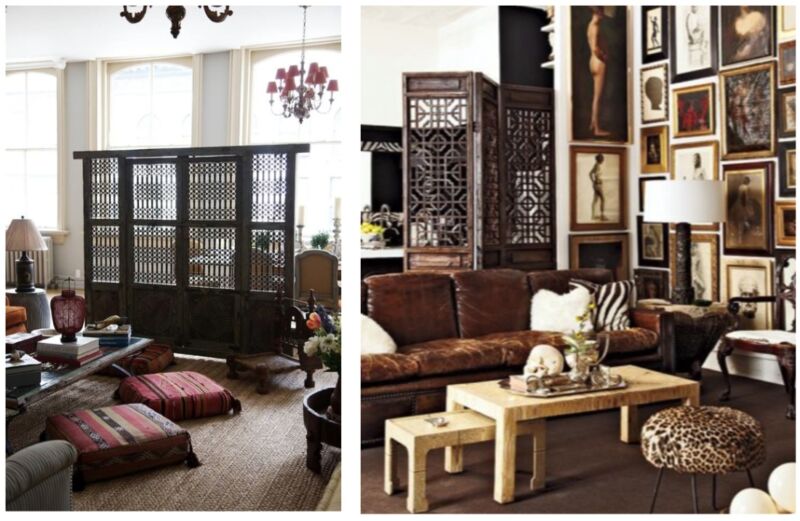
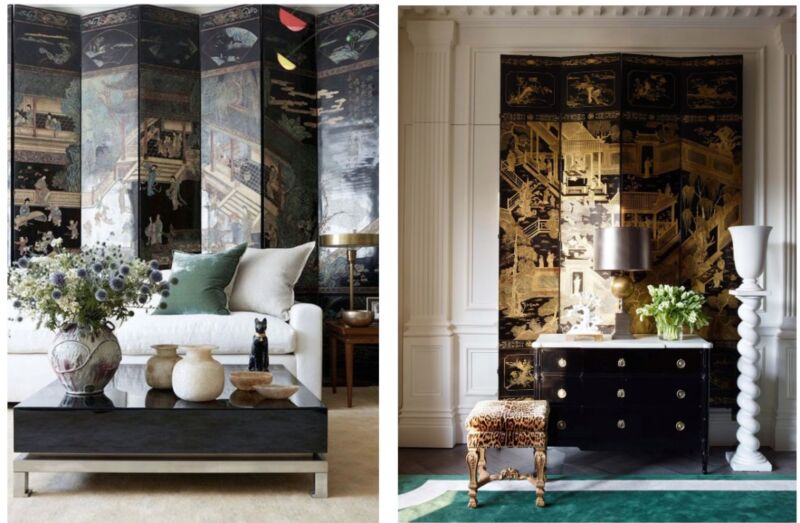
There’s something striking about walking into a room and seeing an antique screen or folding room divider in pride of place. Once staples of palatial mansions and aristocratic boudoirs as a practical tool for modesty and spatial separation, these functionally decorative pieces are making a dramatic returnre-emerging as one of the most compelling 21st-century interior design trends. 

As open-plan living continues to dominate living spaces and home design becomes more fluid, adaptable, and personal, antique screens are classic pieces that beautifully address modern-day interior design dilemmas.

At the Crown Collection interior décor store, our selection of antique wooden screens goes beyond mere functionality, infusing character, history, and functionality into every space.

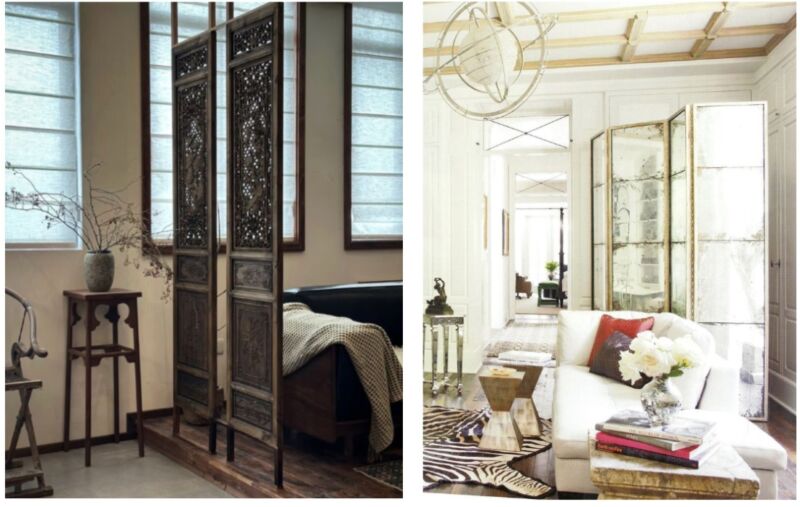
From adding privacy to creating beautiful focal points, antique folding screens have a unique way of both separating and connecting areas in your home.

Antique folding screens have a unique way of both separating and connecting areas in your home.

Here are just a few styles  to consider:

Let’s ‘unfold’ why antique screens are the ultimate solution for contemporary interiors.

‘Screen time’ | Redefining interior design priorities

So, what’s behind this comeback? At its core, it reflects how interior design has shifted over the last decade. Our homes are no longer static environments—they now need to accommodate remote work, self-care routines, virtual meetings, flexible family spaces, and more. 

We want spaces that morph throughout the day, offering both privacy and openness. Antique wooden screens are visually stunning, incredibly versatile, and steeped in story.

They’re also conversation pieces, artistic installations, and a bridge between classical design and modern utility. 

Instantly adding structure and personality to a space while solving layout issues in a non-permanent, elegant way, this fusion of form and function is what makes antique dividers so appealing in the 21st century.

Antique folding screens instantly adding structure and personality to a space while solving layout issues in a non-permanent, elegant way.

From East to West | A brief history of antique screens

Antique screens have a rich global heritage that blends functionality with artistic expression. Their journey through time shows just how adaptable and timeless they are.

  • Ancient origins in China – Originating in the Han Dynasty (around 200 BCE), folding “pingfeng” screens were crafted from wood, silk, or paper and decorated with landscapes or calligraphy.
  • Spread across Asia – Japan embraced them as “byōbu” screens, featuring seasonal artwork and folklore, used in tea houses and royal homes.
  • Cultural symbols – In Asia, screens were spiritual, decorative, and passed down as heirlooms, crafted by skilled artists.
  • Adoption in Europe – Arriving in the West in the 17th century, they became fashionable in France and England with designs evolving to include carved wood, velvet, and mother-of-pearl.
  • Evolution through art movements – Screens adapted to Art Nouveau and Art Deco styles with bold patterns, stained glass, and metallic accents.

Antique screens have a rich global heritage that blends functionality with artistic expression

A clever solution for flexible living spaces

For most modern homeowners, the ability to create private, functional zones without knocking down walls has become the holy grail of interior design. And that’s exactly where antique screens step in—gracefully and cleverly solving modern space challenges. 

These foldable, movable masterpieces – coming in a wide array of finishes – are like architectural chameleons, instantly carving out cosy, purposeful spaces while defining and refining an intimate studio apartment or a sprawling suburban home.

Whether you're looking to section off areas or define new ones, antique screens offer endless possibilities:

Effortless zoning without renovating

Whether you’re looking to section off areas or define new ones, antique screens offer endless possibilities:

  • Create reading nooks or meditation corners in unused spaces.
  • Shielding home offices from dining or living areas.
  • Hiding clutter in bedrooms or behind doors.
  • Transforming corners into dressing areas or makeup stations.

Perfect for renters and transitional living

Antique screens are an ideal choice when:

  • You can’t build walls or install permanent dividers.
  • You frequently change up your space for new needs
  • You’re living in a rental or temporary setting.
  • You want flexibility without sacrificing beauty.

Style meets privacy in open-plan spaces

Screens bring subtle elegance and privacy to open-plan interiors by:

  • Separating areas without blocking light or airflow.
  • Maintaining visual cohesion while defining boundaries.
  • Adding an eye-catching focal point that doubles as décor.

Your space, instantly transformed

Use antique screens to create areas for:

  • Remote work: Add a polished background for Zoom calls.
  • Meditation or yoga: Carve out a peaceful, distraction-free retreat.
  • Dressing areas: Separate your wardrobe space without heavy installations.
  • Gallery walls: Display beautiful craftsmanship, like framed artwork.

Steeped in cultural significance, blending in where needed, and standing out where wanted, decorative wooden screens are go-to solutions for designers and homeowners who want to add functional dimension and artistry. 

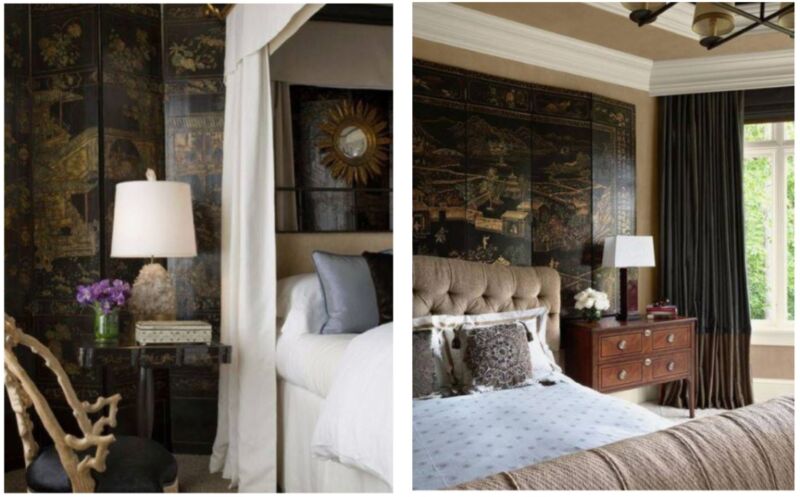
Decorative wooden Chinoiserie screens are go-to solutions for designers and homeowners who want to add functional dimension and artistry.

What makes antique screens irresistible in contemporary spaces?

Not all décor elements age gracefully, but antique screens seem to get better with time. Their tactile surfaces, intricate detailing, and sheer functionality result in a blend of old-world charm and modern sensibility.

Craftsmanship and artistry

Handcrafted by master artisans, antique screens boast intricate details, carvings, paintings, and historical motifs. Hand-lacquered Chinoiserie and delicately embroidered silk panels all tell a story. 

Owning such a piece is like holding a fragment of art history right in your living room. This level of detail simply doesn’t exist in most contemporary furniture. 

A single antique screen can prevent the need for costly renovations while adding a depth of texture and history that new furniture just can't match.

Sustainability and upcycling appeal

With growing awareness of environmental issues, antique furnishings are now a mark of conscious design. A single antique screen can prevent the need for costly renovations while adding a depth of texture and history that new furniture just can’t match. 

Antique pieces offer an ethical alternative to fast furniture. By incorporating these screens into your home, you’re adding a touch of elegance and also reducing waste. They’re screens are built to last, and when restored properly, can serve generations to come.

Additionally, they align perfectly with the broader trend of upcycling, where designers give old items a new purpose. An antique screen might become a stunning headboard, a gallery backdrop, or even a wall-mounted art piece. The creative potential is endless.

Authenticity

Antique screens are one-of-a-kind, and their patina, imperfections, and textures create spaces that feel authentic and lived-in. Whether you’re styling a modern loft or curating a French-style aesthetic, a well-placed screen instantly raises the visual interest and depth of your interior.

You may be drawn to their heritage, their artistry, or their adaptability, but one thing is clear: antique screens are no longer just relics of the past. They’re statement pieces that deserve a spot in any contemporary home. 

Looking to add one to your space? 

Browse our handpicked selection of antique screens, each offering the chance to transform your interiors with a truly unique piece that speaks to your space and your story.

Antiques in South African luxury safari lodges & boutique hotels

Categories: Articles, Blog, Style|Tags: , , , , |

South Africa’s rise as a luxury travel destination is epic. Beyond the wildlife and breathtaking landscapes, it’s fast becoming one of the most sought-after luxury destinations in the world. This is thanks, in no small part, to its high-end lodges, private safari retreats, and boutique hotels that offer an unmatched fusion of culture, design, and indulgence. One of the most striking elements setting these destination spaces apart is interior design principles that incorporate antique statement pieces to create an unmatched first impression. 

South Africa’s luxury hospitality sector is making bold interior choices that celebrate this history and sophistication. Ornately carved antique pieces, colonial-era accessories, and European-style furniture all set the scene in building the layered historical narrative that celebrates stories from our complex past.  

These antiques don’t just serve as décor—they form part of the experience: conversation starters, photo-worthy moments, and symbols of a timeless elegance that guests never forget.

South African luxury lodges | A  multi-layered experience

Luxury lodges and boutique hotels in South Africa often lie on the edge of the bushveld, off the beaten path in the arid expanse of the Great Karoo, or tucked between Cape vineyards. Yet they compete with the world’s top design destinations because they don’t mimic hotel design trends.  

In throwing out the playbook, these lodges are combining rich history with curated refinement, transporting guests into a different era while still catering to modern comfort. This décor initiative results in a 5-star guest experience that begins the minute they enter the lobby, as the visual décor elements invite them on an authentic journey. 

Throwing out the playbook, these luxury safari lodges are combining rich history with curated refinement, transporting guests into a different era while still catering to modern comfort.

The role of interior design in the overall guest experience

Design is more than aesthetics; it’s emotional. It sets the tone when a guest steps into a suite adorned with crystal chandeliers, antique leather trunks, a riempie bench, and a claw-footed bathtub. Antiques speak to permanence, quality, and story – all things travellers seek when escaping the everyday.

The timeless charm of antiques in interior design

Why antiques never go out of style

Antiques are timeless and evergreen. Whether it’s a Louis XVI chaira Dutch armoire, or a brass telescope, antiques anchor a space with character. They transcend the fleeting nature of fashion and signal permanence.

Antiques as symbols of wealth and prestige

There’s no denying it: antiques have always whispered wealth and immediately resonate with a luxury traveller mindset. Their rarity, craftsmanship, provenance, and patina project sophistication. When placed in hospitality spaces, they resonate with guests, elevating even a simple room to five-star status.

First impressions that last

The moment guests enter a lodge adorned with Victorian clocks, French Aubusson rugs, or safari memorabilia, they feel transported. It’s a sensory greeting, a visual embrace that becomes part of the travel memory.

When antiques are placed in luxury hospitality spaces, they resonate with guests, elevating even a simple room to five-star status.

Why antiques work in modern South African lodges and hotels

Creating a sophisticated yet grounded African aesthetic

Pairing old-world antiques with African textures—like raw wood, leather, or handwoven textiles—creates something extraordinary: a space that is both luxurious and rooted. It honours tradition while delivering on expectations.

Mixing cultures and eras seamlessly

Antique furniture and accessories allow any tourist to immediately immerse themselves in the geopolitical design and historical context that immediately grounds them in place. 

Designers in South Africa have a knack for blending eras and conjuring up this sense of place:

These juxtapositions tell stories of travel, trade, and transformation.

Crafting memorable guest experiences through design

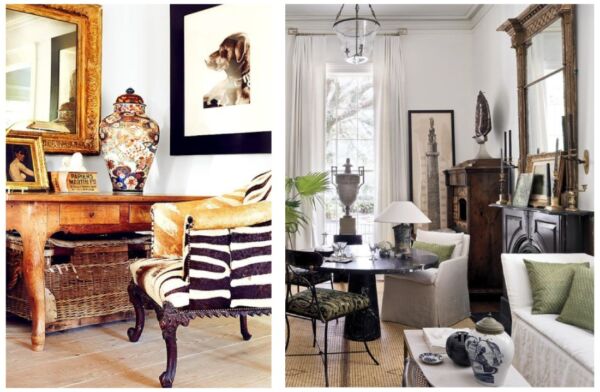
Antique elements often become visual markers in a guest’s memory. “Remember that zebra-patterned chaise lounge with the colonial gun display above it?”  It’s these unique, disparate touches that create moments that matter long after the guest has departed. 

Antique elements often become visual markers in a guest’s memory. It’s these unique, disparate touches that create moments that matter long after the guest has departed.

Signature antique pieces that steal the show

19th-century armoires and colonial kists

Used as wardrobes or side consoles, these pieces ooze charm and history. The smell of old wood and the intricate joinery all add to the immersive experience.

Carved mahogany sideboards and writing desks

Whether placed in reception areas or suites, these antiques offer elegance and function. Many guests use them as quiet reading spots, surrounded by vintage lamps and classic books.

Antique safari accessories as decorative focal points

Think leather binocular cases, brass compasses, and vintage maps; each a nod to the golden era of exploration and a perfect match for safari-themed lodges.

Victorian silverware and crystal chandeliers in dining areas

Dining at these lodges often feels like stepping into a colonial-era banquet. Antique silver cutlery, candelabras, and ornate lighting enhance the sense of occasion.

Blending the old and the new

How designers balance antique with minimalist luxury

The secret? Contrast. Clean architectural lines paired with timeworn textures. A sparse modern room gains soul with just one dramatic antique piece—think oversized Baroque mirror or Georgian cabinet.

Layering textures and history in contemporary spaces

From distressed wood to embroidered linens, antique furnishings bring tactile richness. Designers layer history—like an antique travel trunk under a Lucite table—to create depth.

Antiques as anchors in open-plan lobbies

In large open spaces, one well-placed antique can centre the room. A grand piano, a chesterfield sofa, or a display cabinet full of curios creates intimacy in vast areas.

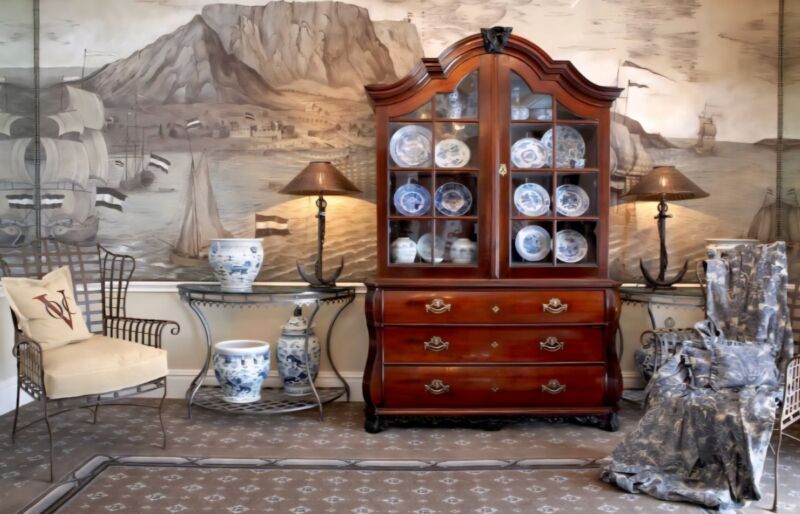
Cape Grace Hotel in Cape Town

The role of antiques in storytelling and brand identity

Creating emotional resonance with guests

Each antique has a story. Whether it’s a silver inkwell once used by a Boer general or a tapestry that crossed continents, these items connect guests emotionally to a place’s past.

Building a distinctive identity around heritage

Luxury guest retreats and safari lodges that use antiques develop strong identities. Guests always remember the feel of the place, the mood created by its blend of old and new. African 

Zulu beadwork, Xhosa ceramics, and tribal shields find their place beside French chandeliers and British colonial furniture, creating spaces that feel both global and deeply African.

Slow design and conscious luxury

Sustainability isn’t just about solar panels. Antiques embody slow design—items made to last generations, not seasons. This appeals to eco-conscious travellers seeking meaningful stays and prioritising responsible design principles. 

International appeal | Why tourists love it

Aesthetic sophistication for the global traveller

Guests from New York, London, or Berlin crave novelty and nostalgia. Antiques tap into both, making a stay in a South African lodge unlike any other destination.

Evoking colonial-era safari elegance without cliché

Used thoughtfully, antiques reference the past without romanticising it. Instead, they celebrate craftsmanship, exploration, and the art of travel.

Top South African lodges & hotels that perfect this look

The future of luxury hospitality design in South Africa

The heritage design philosophy of mixing antiques in modern spaces is likely to dominate the style and feel of luxury destination lodges and hotels for years to come.  With their layered stories and inherent elegance, antiques offer a richness modern materials can’t match.

The implementation opportunities are endless. Expect to see bold era blends where antiques reupholstered in African prints and tribal art sit comfortably beside Art Deco fixtures.

Silo Hotel in Cape Town. The heritage design philosophy of mixing antiques in modern spaces is likely to dominate the style and feel of luxury destination lodges and hotels for years to come.

The Crown Collection | A premier antique destination

Antiques in luxury South African lodges and hotels do more than decorate, they define the atmosphere. The Crown Collection décor store –  based in Bryanston,  Johannesburg – is a premier South African destination, making it an ideal source for lodges, luxury safaris, and high-end hotels aiming to incorporate upmarket antique statement pieces into their brand story. 

An evolving conversation

Our philosophy revolves around mixing classic antiques with contemporary pieces, creating spaces where different eras and styles seamlessly intertwine. This approach is particularly effective in luxury lodges and hotels, where guests seek an experience that combines comfort with a touch of heritage.

A curated collection

With over 5,000 meticulously hand-picked items, our studio offers an extensive range of antique, French, vintage, and contemporary furniture and accessories. Our vast assortment includes armoires, mirrors, chandeliers, lanterns, chests, linen presses, tables, chairs, settees, sofas, gilded furniture, candlesticks, candelabras, silver, and crystal accessories. This allows designers to find unique pieces that add a sophisticated and timeless appeal to any space.
Tailored services

Understanding the needs of interior designers and high-end tourism demands, The Crown Collection team offers tailored trade and project services that include assistance with selecting pieces, arranging bulk purchases, and managing logistics. Our in-house professional restorers will also ensure that each item is carefully restored while maintaining its authentic character.

Make our destination space your destination space and create a décor a  ‘guide-book’ experience with a difference. Shop all our collections. 

7 Reasons to add gilded French-style furniture to contemporary interiors

Categories: Articles, Blog, Style|Tags: , , , , , |

When interior design takes its cue from the ‘Gilded Age,’ the finished result is one of simple opulence and sophistication. Gilded French-style furniture and accessories become the décor epitome of mixing in touches of heritage glamour to your contemporary aesthetic. Crafted with meticulous care and adorned with delicate gold leaf, these pieces stand as testaments to both artistry and history. 


Interior designers love adding gilded French-style furniture and accessories to décor briefs. The simple reason is that this golden finish celebrates regal craftsmanship, contrast, texture, and history, which beautifully offsets the clean lines and minimalism of contemporary spaces. The result? Timeless and unforgettable interiors. 

Gilded French-style furniture brings the romance of history into the clarity of modern design. –Isabelle Marchand, French Interiors Specialist.

At The Crown Collection Décor Store, we celebrate this exquisite craftsmanship of gilded furniture, offering a curated selection that merges tradition with modernity.

At The Crown Collection Décor Store, we celebrate this exquisite craftsmanship of gilded furniture, offering a curated selection that merges tradition with modernity.

The art of gilding, dating back centuries, remains a hallmark of French furniture design. Each piece undergoes a meticulous process where skilled artisans apply thin sheets of gold leaf by hand. This technique enhances the furniture’s aesthetic appeal and imbues it with a sense of heritage and prestige. Unlike mass-produced alternatives, gilded pieces boast a richness that only true craftsmanship can deliver.

Here are 7 reasons to incorporate gilded French-style furniture and accessories into your home:

#1 They add instant glam

Nothing says luxury quite like a hint of gold. Gilded French furniture and accessories, with their delicate carvings and hand-applied gold leaf finishes, bring a sense of grandeur to even the simplest rooms. Whether it’s a shimmering Louis XVI mirror, Rococo occasional chairs,  or a gold-trimmed console table with marble top, these pieces instantly elevate a space, making it feel more curated, intentional, and refined.

Gilded antiques with their delicate carvings and hand-applied gold leaf finishes, bring a sense of grandeur to even the simplest rooms

#2 They create a striking visual contrast

Opposites attract. Contemporary design is often defined by clean lines, neutral palettes, and understated finishes. When paired with the rich detailing and curved silhouettes of gilded French furniture, the result is a beautiful balance of modern minimalism and classical opulence. It’s a design marriage that feels fresh and unexpected.

#3 They tell a story

Every piece of gilded French-style furniture carries a narrative of craftsmanship, history, and artistic legacy. By layering these stories into modern spaces, you give them soul and substance. A single antique balloon-back armchair, pedestal, coffee table, or ornate mirror will spark conversation and add depth to an otherwise neutral room.

Every piece of gilded French-style furniture carries a narrative of craftsmanship, history, and artistic legacy.

#4 They bring warmth and light

Gold leaf catches the light like no other finish. It brightens dark corners, adds warmth to cool modern tones, and creates a sense of richness and dimension. Designers often use gilded pieces to break up sterile or monochromatic spaces, adding glow and texture without overwhelming the room.

Design tip: When working with gilded furniture in contemporary settings, restraint is key. These are statement pieces, and their impact is strongest when they’re allowed to breathe. Rather than filling a room with baroque opulence, opt for one or two gilded items to punctuate the space and draw the eye.

#5 They work in every room

From a dramatic gilded mirror in an entryway to a gold-accented side table in a sleek living room or a delicate antique chandelier in a modern dressing room, French-style gilded pieces are incredibly versatile. Designers know that these pieces can adapt to virtually any space, offering flexibility while still making a bold statement.

From a dramatic gilded mirror in an entryway to a gold-accented side table in a sleek living room or a delicate antique chandelier in a modern dressing room, gilded pieces are incredibly versatile.

#6 They celebrate artistry and craftsmanship

In an age of mass production, gilded French furniture stands apart as a symbol of enduring quality. True gold leaf gilding is done by hand, using centuries-old techniques. Designers appreciate and value this level of authentic craftsmanship, especially when designing high-end or bespoke spaces that aim to stand the test of time.

When gold leaf meets clean lines, you get a space that feels both grounded in history and fresh with intention.

#7 They make a statement without overpowering

One of the great strengths of gilded French-style furniture and accessories is their ability to be both dramatic and delicate. A single chair with gilded accents, an intricately framed mirror, or a petite gilded side table can anchor a space without dominating it. 

A touch of gold is never too much. Gilded furniture adds a quiet luxury to modern spaces that speaks volumes without shouting.

Partnering gilded antiques with modern or abstract art makes for an immediate conversation starter and is the perfect example of old and new coming together in the most delightful way. This makes them ideal for contemporary rooms where you want to introduce character and luxury in a subtle, tasteful way.

Gilded furniture adds a quiet luxury to modern spaces that speaks volumes without shouting.

While traditionally associated with grandiose settings, French gilded furniture surprises with its versatility. From ornate consoles to decorative mirrors and intricately carved chairs, these pieces effortlessly complement modern interiors. 

Gilded furniture is the perfect contradiction: ornate, yet elegant; antique, yet surprisingly modern. –Lauren Tate, Interior Designer

The heritage aesthetic of gilding adds a welcome personality and presence to any home. 

The inclusion of gilded French-style furniture and accessories in contemporary spaces is one of the most captivating expressions of the ‘ornate meets minimalism’ trend. They bridge the gap between past and present, elegance and simplicity, and drama and restraint in a brave and considered way. 

At The Crown Collection Décor Store, we offer a curated selection of French gilded treasures—each one a celebration of art, history, and style.

Antique sideboards and servers for today’s homes

Categories: Articles, Blog, Style|Tags: , , , , , |

We’re hoping you’re here because you’ve discovered the beauty of including an antique sideboard in a modern living design brief and want to add one to your contemporary home. Once considered purely functional pieces for the dining room, we’re delighted that antique sideboards and servers are experiencing a well-deserved revival. 

Originally crafted to store and serve tableware or food, antique sideboards are no longer confined to formal dining spaces. Instead, they’re making a bold comeback, reimagined and repurposed as statement décor pieces across every room in the contemporary home.

Why the renewed interest? In an age of mass production and minimalist trends, more homeowners and designers are turning to antiques for their inherent soul, substance, and story. 

In an age of mass production and minimalist trends, more homeowners and designers are turning to antiques for their inherent soul, substance, and story.

In a world obsessed with the new, these once-overlooked treasures are finally getting the attention they deserve, and it’s easy to see why.

Embracing historical charm

Antique sideboards and servers (also referred to as buffets) enter the furniture design space as storied artefacts that bring a unique sense of history into your home. Crafted with intricate details, they showcase fine craftsmanship and often evoke a sense of nostalgia.

More than mere traditional, historic curiosities, these pieces deserve their place in modern interiors. 

  • Take a step back and look at an antique server with 21st-century eyes. 
  • Take note of the rare blend of utility, craftsmanship, and timeless style that offers practical storage and visual character. 
  • Take the opportunity to showcase the beautiful finishes and artisanal elements – rich wood grains, hand-carved details, and patinas developed over decades – that modern furniture simply cannot replicate. 

More than mere traditional, historic curiosities, antique sideboards and servers deserve their place in contmporary interiors.

Versatility in modern, minimalist spaces

At first glance, ornate antique furniture may seem at odds with the clean lines of minimalist design, but this very contrast creates design interest and depth. 

In a sea of sleek, neutral lines and minimalist silhouettes, an intricately carved 19th-century George III Mahogany breakfront sideboard or a Victorian bleached wooden server becomes a necessary visual distraction. 

Offering a beautiful juxtaposition to modern materials like glass, steel, and concrete, these pieces bring richness, texture, and character. Their timeworn elegance softens the starkness of minimalist interiors and adds a sense of warmth and personality.

The timeworn elegance of antique sideboards softens the starkness of minimalist interiors and adds a sense of warmth and personality.

From entryways and living rooms to bedrooms and home offices, antique sideboards and servers are being reimagined in creative, functional ways. 

Their rise in popularity reflects a growing desire to live with intention; to fill our homes not just with furniture, but with stories, authenticity, and lasting beauty.

One of the most compelling reasons to integrate antique sideboards and servers into your décor is their remarkable versatility. They serve not only as functional storage solutions but also as statement pieces that tie a room together.

Tips for incorporating antique sideboards and servers

  • A focal point in dining spaces: In the dining room, antique sideboards serve their original purpose beautifully, as buffets for serving food or storing dinnerware, glassware, and table linens. Instead of being a background utilitarian piece of furniture, let an antique server shine as the hero against a neutral-toned wall to create a striking conversation piece in your dining area. Display blue and white china or Art Deco crystal decanters on its surface to highlight its historical significance.
  • A welcome surprise: An antique server in the entryway is both practical and elegant. Use a smaller sideboard to store everyday essentials while displaying a few carefully chosen décor items to set the tone for your home. A decorative mirror is the perfect complement in this setting. 

One of the most compelling reasons to integrate antique sideboards and servers into your décor is their remarkable versatility.

  • A living room talking point: In minimalist living spaces, a sleek antique sideboard can serve as a sophisticated storage solution without overwhelming the space. Hide clutter and store books, board games, media and electronic equipment. Use the top surface to display artwork, sculptures, or a collection of coffee table books. The contrast between the antique wood and modern décor elements creates a layered, lived-in feel that’s visually rich and inviting.
  • A bedroom moment: Incorporate a compact sideboard into your bedroom to add a special touch. It can function as a stylish nightstand or a dressing table with added storage for linens or personal items, enhancing both aesthetics and functionality of the space. Topped with a vintage lamp, a framed photo, or a few well-loved books, it brings charm and individuality to the space and adds a bespoke, romantic touch.

Statement options from The Crown Collection

Explore the exquisite selection of antique sideboards and servers from The Crown Collection, each offering a unique blend of craftsmanship and character:

  • Victorian mahogany sideboard: Featuring rich wood tones and classic detailing, perfect for traditional and transitional interiors.
  • A Provincial-style French server: With its bleached finish and detailing, it is ideal for blending rustic French charm in neutral contemporary spaces.
  • Edwardian oak server: Offering a lighter, more airy feel with its natural wood grain and elegant simplicity, ideal for Scandinavian or minimalist décor.

Explore the exquisite selection of antique sideboards and servers from The Crown Collection, each offering a unique blend of craftsmanship and character

In contemporary design, every piece of furniture must earn its place, and antique sideboards and servers do just that. Elevating the overall design of a room, they instantly draw the eye without overpowering the space. 

Incorporating antique sideboards and servers into your modern home design is a testament to your appreciation for both history and style. 

Browse our Crown Collection antique servers and sideboards and let each piece tell its own story in your contemporary home.

Antique décor | Current trends in contemporary spaces

Categories: Articles, Blog, Style|Tags: , , , , |

The conversations bridging the gap between 21st-century interior design trends and antique furniture and décor have transcended antiques as mere nostalgia to these pieces becoming integral elements of modern design. Today, more than ever, homeowners are drawn to the high-end layered charm and unique craftsmanship that antiques bring to living spaces. 


Nestled within the heart of premium antique aficionados, The Crown Collection Interior Décor Store is a beacon of timeless elegance. Each ‘room’ offers a curated selection of exquisite antique furniture and accessories that complement contemporary styles and modern design trends. 

For avid collectors, interior design enthusiasts, or those simply seeking to elevate their homes with a distinctive style narrative, the Crown Collection experience promises an unparalleled journey into the world of fine antiques, French-style furniture, and accessories.

The Crown Collection experience promises an unparalleled journey into the world of fine antiques, French-style furniture, and accessories.

With personality-driven spaces at the forefront, explore the current trends shaping the world of antique décor, from popular styles to emerging markets and the cyclical nature of these timeless treasures.

Popular antique styles & periods in demand

Furniture styles and trends have always been driven by a blend of historical reverence, contemporary taste, and global accessibility. Some of these keep emerging as ideal options to balance out contemporary aesthetics and modern minimalist design principles. 

It’s all about reinterpreting the classic styles of furniture to suit the way we live today.

Antique décor styles and trends have always been driven by a blend of historical reverence, contemporary taste, and global accessibility.

  • Mid-Century Modern: While not traditionally considered antiques, mid-century modern pieces – from the 1950s and 1960s – have gained immense popularity. Characterised by clean lines, organic forms, and innovative use of materials – like teak and plywood – these pieces seamlessly blend into contemporary interiors, offering a retro yet sophisticated and timeless appeal. This design narrative is the perfect backdrop to showcase beautiful antique drinks accessories and servingware.
  • Art Deco Glamour: Art Deco remains a perennial favourite for its bold geometric patterns, luxurious materials and finishes – such as lacquered wood and chrome – and a distinctive blend of elegance and modernity. Items like streamlined cocktail cabinets, crystalware and mirrored furniture add a touch of Jazz Age sophistication to any room.

Influence of contemporary tastes on antique trends

Contemporary design preferences have heavily influenced the resurgence of antique décor. The shift towards sustainability and unique, personalised interiors has sparked renewed interest in antiques. 

It’s all about celebrating the beauty and artistry of major design moments in history and appreciating handcrafted craftsmanship.

Contemporary design preferences have heavily influenced the resurgence of antique décor. The shift towards sustainability and unique, personalised interiors has sparked renewed interest in antiques.

Homeowners are seeking pieces that tell a story and will add character and depth to their spaces while reducing their environmental footprint. Plus, the rising trend of Afro-eclectic and maximalist interior styles has encouraged the mixing of antique and modern elements. This fusion allows for creative expression and the creation of spaces that feel curated rather than mass-produced.

Emerging markets and demographics

Antiques are no longer confined to traditional markets or older generations. Younger demographics – particularly millennials and Gen Z – are embracing antiques as statement pieces that reflect their individuality and appreciation for craftsmanship. Online platforms and social media have played a crucial role in making antiques accessible and appealing to a global audience.

It’s all about the ’grandmillemial’ home-styling trend that thoughtfully blends traditional, often ‘granny-chic’ elements with modern touches, creating a cosy, nostalgic, and highly personalised aesthetic.

It’s all about the ’grandmillemial’ home-styling trend that thoughtfully blends traditional, often ‘granny-chic’ elements with modern touches, creating a cosy, nostalgic, and highly personalised aesthetic.

Regions once overlooked for their antique markets are now flourishing. Emerging markets in Asia, Latin America, and Eastern Europe are witnessing a surge in demand for Western and local antique pieces, contributing to a diverse and vibrant global marketplace.

Examples of trending antique pieces or styles

  • Chinese Chinoiserie: Intricately decorated lacquer cabinets, porcelain vases, and screens featuring motifs like dragons and landscapes are highly sought after for their exotic allure and cultural significance.
  • French Provincial: This would include timeless pieces such as Louis XV armchairs  – which make immediate statement pieces, bleached farmhouse tables which embody rustic elegance and are favoured for their relaxed charm and craftsmanship and their ability to highlight the natural beauty of the woodgrain, and decorative gilt mirrors which make small spaces feel larger and are an immediate focal point in minimalist spaces.

French provincial décor embodies rustic elegance and is favoured for its relaxed charm and craftsmanship and the ability to highlight the natural beauty of the woodgrain.

The cyclical nature of antique trends

Antique trends operate in cycles influenced by cultural shifts, design movements, and economic factors. What was once considered outdated may resurface as coveted and collectable years later. This cyclical nature encourages collectors and decorators to appreciate antiques not just for their aesthetic value but also as investments that grow in cultural and monetary worth over time.

Antique trends operate in cycles influenced by cultural shifts, design movements, and economic factors. What was once considered outdated may resurface as coveted and collectable years later.

At The Crown Collection, we recognise the cyclical nature of antique trends. Our expert curators carefully select pieces that transcend time, ensuring that each acquisition holds intrinsic value and potential for future appreciation. Whether you’re starting your collection or adding to an existing ensemble, we are dedicated to assisting you in finding pieces that resonate with your style and investment goals.

A premium destination |  Online and in-store

Beyond preserving history, The Crown Collection embraces contemporary design sensibilities. We understand the evolving preferences of today’s discerning clientele who are on the hunt for timeless statements that harmonise with modern living. Our pieces are handpicked to seamlessly integrate into eclectic interiors, offering versatility and sophistication that transcend fleeting trends.

Experience the essence of The Crown Collection both online and in-store. Our meticulously designed website invites you to explore our catalogue (of over 5,000 items) from the comfort of your home.

Experience the essence of The Crown Collection both online and in-store. Our meticulously designed website invites you to explore our catalogue (of over 5,000 items) from the comfort of your home, offering detailed descriptions and high-resolution images that capture the essence of each piece. 

For those seeking a tactile experience, our exquisite showroom – located at 20 Ballyclare Drive, Bryanston – provides a sanctuary where you can immerse yourself in the beauty and craftsmanship of our curated collection, where our commitment to quality and authenticity is on display. 

Join us at The Crown Collection and embark on a journey where modern elegance meets artisanal heritage.

The ‘ornate minimalist’ | Combining minimalism with a love for antiques

Categories: Articles, Blog, Style|Tags: , , , |

It’s time to introduce ‘Ornate Minimalism’; an emerging design trend that successfully bridges the gap between two contrasting aesthetics. This brave and unique approach to décor marries the clean, uncluttered ethos of contemporary minimalism with the intricate and decorative beauty of antique pieces, creating striking spaces that feel refined and rich in history. 


But how does one blend these ‘opposite’ elements and design philosophies without overwhelming the senses? Is it even possible for antiques and contemporary minimalism to coexist in the same space without jarring the eye? 

Absolutely! The key lies in balance, intentionality, and contrast. By carefully selecting statement antique pieces and placing them within a clean, uncluttered space, you can highlight their craftsmanship without overwhelming or detracting from the simplicity of minimalism.

Here’s our guide to curating a minimalist home with antique treasures.

A guide to curating a minimalist home with antique treasures

Ornate minimalism explained | Simplicity meets antiquity

Ornate minimalism is the perfect blend of old and new, grandeur and simplicity, opulence and restraint. 

By thoughtfully curating antiques, maintaining a neutral backdrop, and balancing intricate details with modern simplicity, you can achieve a timeless, elegant home that celebrates both the past and the present.

Nicola Harding, interior designer, highlights the dynamic created by embracing ornate minimalism: “Older pieces create a sense of history, of belonging; newer ones stop somewhere feeling stuffy. I like an unpredictable mix. The unexpected creates energy, makes for a talking point.”

Ornate minimalism is the perfect blend of old and new, grandeur and simplicity, opulence and restraint.

Minimalism champions simplicity, neutral colour palettes, and an emphasis on open, breathable spaces. Ornate design, on the other hand, embraces the elaborate details, craftsmanship, and character that antiques bring to a home. 

The beauty of ornate minimalism lies in its ability to incorporate antique statement pieces into a minimalist framework, allowing them to shine without overpowering the space.

Opposites attract | Combining contemporary minimalism with antiques

Embracing ornate minimalism means appreciating history while honouring contemporary sensibilities. With the right approach, your home can exude warmth, sophistication, and a seamless fusion of eras.

Rather than cluttering your space with multiple antiques, choose one or two statement pieces that will stand out against a clean and minimal backdrop.

#1  Select statement antiques wisely

The secret to successfully merging these two styles is curation. Rather than cluttering your space with multiple antiques, choose one or two statement pieces – perhaps a gilded mirror, an intricately carved wooden cabinet, or a vintage chandelier – that will stand out against a clean and minimal backdrop.

#2 Maintain a neutral colour palette

Minimalist interiors typically rely on soft, neutral tones such as whites, beiges, greys, and earthy hues. When incorporating antiques, ensure that they complement or contrast elegantly with the existing palette. For instance, a French console table can add warmth and dramatic depth to an otherwise crisp white space.

#3 Balance simplicity with detail

While ornate antique pieces are often rich in detailing, they should be surrounded by simplicity to avoid visual chaos. Pair an antique French armchair with clean-lined contemporary furniture or offset an elaborate baroque frame with an unadorned modern wall.

#4 Embrace negative space

One of the fundamental principles of minimalism is the effective use of negative space; the areas left intentionally uncluttered to create a sense of openness. By giving your antiques breathing room, you allow their beauty and craftsmanship to take centre stage.

To create visual interest, combine contrasting materials such as aged wood with sleek marble, brass with matte finishes, or ornate carvings with clean-lined furniture.

#5 Mix materials and textures

To create visual interest, combine contrasting materials such as aged wood with sleek marble, brass with matte finishes, or ornate carvings with clean-lined furniture. This interplay of old and new adds dimension without disrupting the overall harmony.

#6  Incorporate modern lighting

Lighting plays a crucial role in achieving a balanced look. Opt for minimalist lighting fixtures such as recessed lighting or sleek pendant lights to illuminate your space. At the same time, an antique candelabra or table lamp can serve as a sculptural focal point.

#7 Keep décor minimal but meaningful

Ornate minimalism is about intentionality. Instead of filling your space with numerous accessories, opt for a few carefully chosen decor items that hold personal significance; perhaps an antique clock passed down through generations or a vintage sculpture that sparks conversation.

The Crown Collection | Handpicked antiques for minimalist spaces

The Crown Collection – South Africa’s largest antique and décor store – is a premier destination for those looking to incorporate antiques into a minimalist, contemporary home. 

The Crown Collection - South Africa’s largest antique and décor store - is a premier destination for those looking to incorporate antiques into a minimalist, contemporary home.

Here’s why:

A curated collection of decorative antiques

The Crown Collection offers over 5,000 versatile and functional pieces carefully chosen for their decorative appeal. Our extensive range includes antique, French, and contemporary furniture and accessories, ensuring that each item can serve as a unique focal point in a minimalist setting.

An emphasis on mixing styles

Our store’s philosophy – ‘mix don’t match’ – encourages the blending of different styles to create a cohesive and personalised space. By integrating antiques with modern pieces, any homeowner can add character and interest to their interiors without overwhelming their minimalist aesthetic.

Expert guidance on pairing the old with the new 

The Crown Collection team provides expert insights on how to harmoniously combine antique and contemporary elements. Our onsite professional restorers are also able to bleach, gild or stain any item to create your desired finish. 

A sustainable and timeless investment

Investing in antiques is an eco-friendly choice, as these pieces have a lower carbon footprint compared to newly manufactured items. This syncs perfectly with the minimalist cry for sustainability and ‘slow design’ principles. The value of antiques often appreciates over time, offering both environmental and financial benefits.

By selecting antiques that complement the clean aesthetics of modern design,  The Crown Collection becomes the perfect destination – in-store or online – to embrace the Ornate Minimalism trend.

Go to Top